Forget Silicon Valley and jetliners. The real start of globalization might surprise you. It began around 4500-3500 BC with the rise of the Indo-European language family, a fascinating chapter in human history often overshadowed by modern advancements.
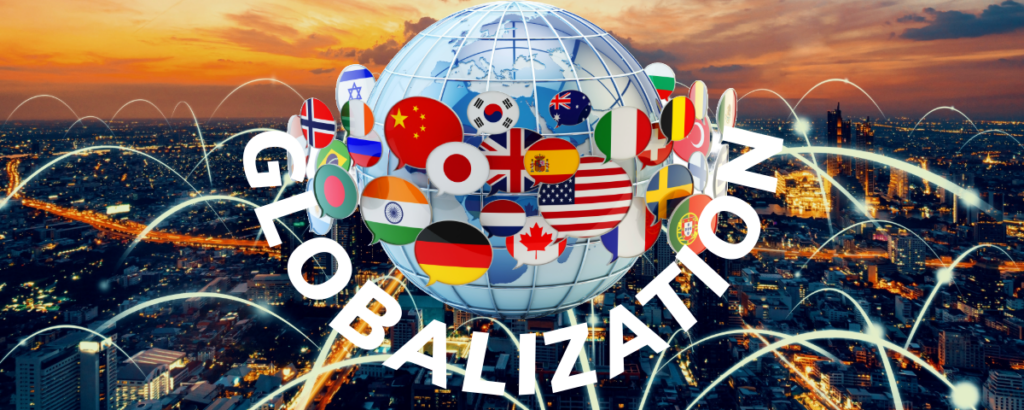
Imagine a single language, Proto-Indo-European, spoken by a community in the Pontic-Caspian steppe (modern-day Ukraine and southern Russia). As these people migrated, they carried their language with them. Remarkably, Proto-Indo-European didn’t vanish. It branched out, evolving into distinct languages as populations settled across Europe, parts of Asia, and even India.
This linguistic diaspora wasn’t just about words. It was a bridge for cultural exchange. Languages like Greek and Sanskrit became vessels for literature, philosophy, and religion, shaping the intellectual landscape of vast regions. The spread of these languages wasn’t peaceful – it coincided with the rise of civilizations like Mycenaean Greece and the Hittite Empire. This suggests a complex interplay between language, power, and cultural exchange.
The fascinating part? Even though the words themselves morphed over millennia (think “father” in English vs “pita” in Hindi), the underlying themes and goals remained surprisingly similar. Take the concept of family – both languages share the same Proto-Indo-European root, reflecting its importance across these cultures. Similarly, core vocabulary for basic needs and numbers hints at this shared heritage.
Sure, specific cultural nuances have unique terms. But beneath the surface, we find echoes of a shared past, a time when the exchange of ideas laid the groundwork for a more interconnected world. Imagine stories about courageous heroes or philosophical concepts – the specific details might change with each telling, but the core message could resonate across vast distances, even as languages diverged.
The legacy of this “original globalization” lives on. Today, the Indo-European family boasts hundreds of languages, a testament to the diversification that arose from a common root. Languages like English, Spanish, Hindi, and Russian all whisper tales of their shared ancestry.
This isn’t just about dusty history books. It reminds us that globalization isn’t just a recent phenomenon. It’s a fundamental human impulse to connect, share, and learn from each other. By understanding the journey of Indo-European languages, we gain a deeper appreciation for the long history of human interaction and the enduring power of language as a bridge across cultures. A bridge built not in the recent past, but millennia ago, with the whispers of a shared past echoing within its structure.