Not long ago, many market watchers had penciled in interest rate cuts from the Federal Reserve for late 2024. The thinking was that after a series of aggressive rate hikes to battle inflation, the economy would cool down, and the Fed would shift gears to provide some relief. But recent economic data has thrown a wrench into that narrative, sparking a debate about whether those cuts are still a sure bet.
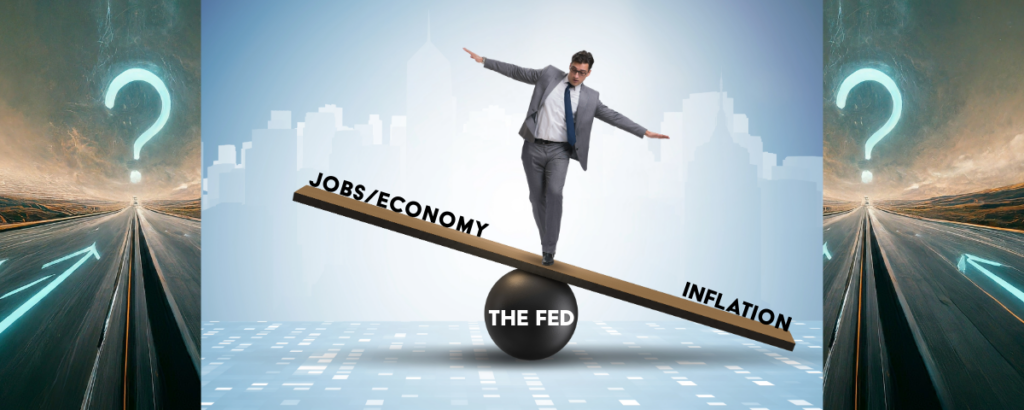
This blog explores why the Fed might hold off on easing monetary policy and even surprise some by keeping interest rates elevated for longer.
Jobs, Inflation, and the Fed’s Balancing Act
To understand why the Fed might take a tougher stance, we need to revisit the basics of inflation. Put simply, inflation is the rate at which prices for goods and services rise, eroding the purchasing power of your dollar. Several factors can drive inflation, but a strong job market is a major culprit. When unemployment is low and businesses are competing for workers, wages tend to rise. These increased labor costs often get passed on to consumers in the form of higher prices.
The Federal Reserve has a powerful tool to combat inflation: interest rates. When the Fed raises rates, borrowing money becomes more expensive. This slows down spending by both businesses and consumers, which can help cool inflation. However, the Fed must walk a fine line. If they raise rates too aggressively, they risk tipping the economy into a recession. It’s a balancing act between achieving maximum employment and maintaining price stability.
Why the Data is Sending a Different Message
For months, the Fed seemed to be making progress. Inflation was showing signs of easing, fueled by lower energy prices and improvements in global supply chains. But recent data has painted a more complicated picture:
- Robust Job Growth: The US economy has been adding jobs at a remarkably strong pace, far exceeding most expectations. This robust labor market suggests that consumer demand remains strong and businesses may continue to have pricing power.
- Persistent Inflation: While inflation has decreased from its peak, it still remains well above the Fed’s 2% target. This suggests that price pressures are not yet fully contained and that the Fed’s fight against inflation isn’t quite over.
- Resilient Economy: Despite a series of interest rate hikes designed to slow things down, the US economy has displayed more resilience than some economists anticipated. This resilience could mean a stronger economy that may not need the boost of rate cuts as soon as some were expecting.
What This Means for the Fed
The combination of a strong job market, stubborn inflation, and a resilient economy changes the calculus for the Federal Reserve. Here’s why:
- Diminishing Odds of Rate Cuts: The strong economic data makes it less likely that the Fed will feel the need to pivot toward rate cuts in 2024. It could convince them to stay the course with the current interest rate level for longer, delaying any easing.
- The Specter of Further Rate Hikes: If inflation remains stubbornly high or economic growth exceeds expectations, the Fed may need to shift gears from neutral to actively tightening monetary policy. This means the discussion could move from potential rate cuts to the possibility of additional rate hikes.
- Market Volatility on the Horizon: The increased uncertainty surrounding the Fed’s future actions is likely to fuel volatility in financial markets. Investors may need to adjust strategies that were predicated on the idea of a dovish shift by the Fed this year.
Key Takeaways for Investors
The evolving economic landscape holds a few lessons for investors:
- Rate Cut Bets May Need Revision: If you were heavily invested in assets that tend to benefit from rate cuts (like certain growth stocks), it may be time to reconsider your assumptions. The possibility of a more hawkish Fed warrants a re-evaluation of your portfolio.
- The Importance of Flexibility: Economic conditions are dynamic, and the Fed responds to the data. Being open to adjusting your investment strategy as the outlook changes is crucial in a climate of uncertainty.
- Diversification Matters: Spreading your investments across different asset classes can help mitigate the impact of volatility that may arise as a result of Fed policy shifts.
- Staying Informed is Key: Pay attention to key economic reports (like the monthly jobs report and inflation data) and the Fed’s communications. This will help you make better sense of market movements and potential shifts in interest rate policy.
Conclusion
The notion that the Fed might be ready to cut interest rates in 2024 seems increasingly less certain. While nobody can predict the future with complete accuracy, the recent economic data suggests that the fight against inflation might be a longer battle than some wished. The possibility of continued high-interest rates – or even additional increases – adds a layer of complexity for investors.
Could we be in for an extended period of higher borrowing costs? That remains a crucial question as we navigate the current economic environment.
Disclaimer: This blog post is for informational purposes only and should not be construed as financial advice. Please consult with a financial professional for guidance tailored to your individual circumstances.