Commercial real estate (CRE) has undergone a significant transformation in the wake of the COVID-19 pandemic. The office sector, in particular, has felt the ripple effects of remote work, changing workplace preferences, and evolving business models. As we navigate the post-COVID landscape, understanding the impact on different office property types is crucial for investors, tenants, and industry professionals.
Table of Contents
The Office Property Sector: Adapting to a New Normal
The COVID-19 pandemic brought about a seismic shift in the way we work, forcing companies to re-evaluate their office needs and embrace new workplace models. The office sector, once characterized by bustling workspaces and long commutes, now faces a new normal marked by flexibility, adaptability, and a heightened focus on employee well-being.
The Rise of Remote and Hybrid Work:
One of the most significant changes is the widespread adoption of remote and hybrid work models. Many companies realized that employees could be productive from home, leading to a decreased reliance on traditional office space. While some companies have returned to full-time in-person work, many others have adopted hybrid models that combine remote work with occasional office visits. This shift has led to reduced demand for office space, particularly in dense urban centers where companies are downsizing their footprints.

Impact on Different Office Types:
- Class A Office Buildings: These premium properties, known for their prime locations and top-tier amenities, have faced challenges due to reduced demand and increased vacancy rates. Some companies have subleased excess space or renegotiated lease terms to adapt to the new normal. However, as the economy stabilizes and companies reassess their long-term needs, Class A buildings with modern amenities and flexible layouts may regain their appeal.
- Class B & C Office Buildings: These more affordable options have proven surprisingly resilient during the pandemic. Their lower rents and flexible lease terms have attracted small businesses, startups, and companies seeking cost-effective solutions. However, these buildings may need to invest in upgrades and modernizations to remain competitive in the long run.
- Creative Office Space: The demand for creative office space has remained relatively stable, as these unique environments continue to attract companies seeking to foster collaboration and innovation. However, the rise of remote work has also led some companies to reconsider their need for dedicated office space altogether.
- Medical Office Buildings (MOBs): MOBs have emerged as a safe haven for investors during the pandemic. The demand for healthcare services remained strong, and the long-term leases typical of MOBs provided stability and predictable income streams. Additionally, the aging population and growing demand for healthcare are expected to drive continued demand for MOBs in the future.
Flight to Quality and Suburban Markets:
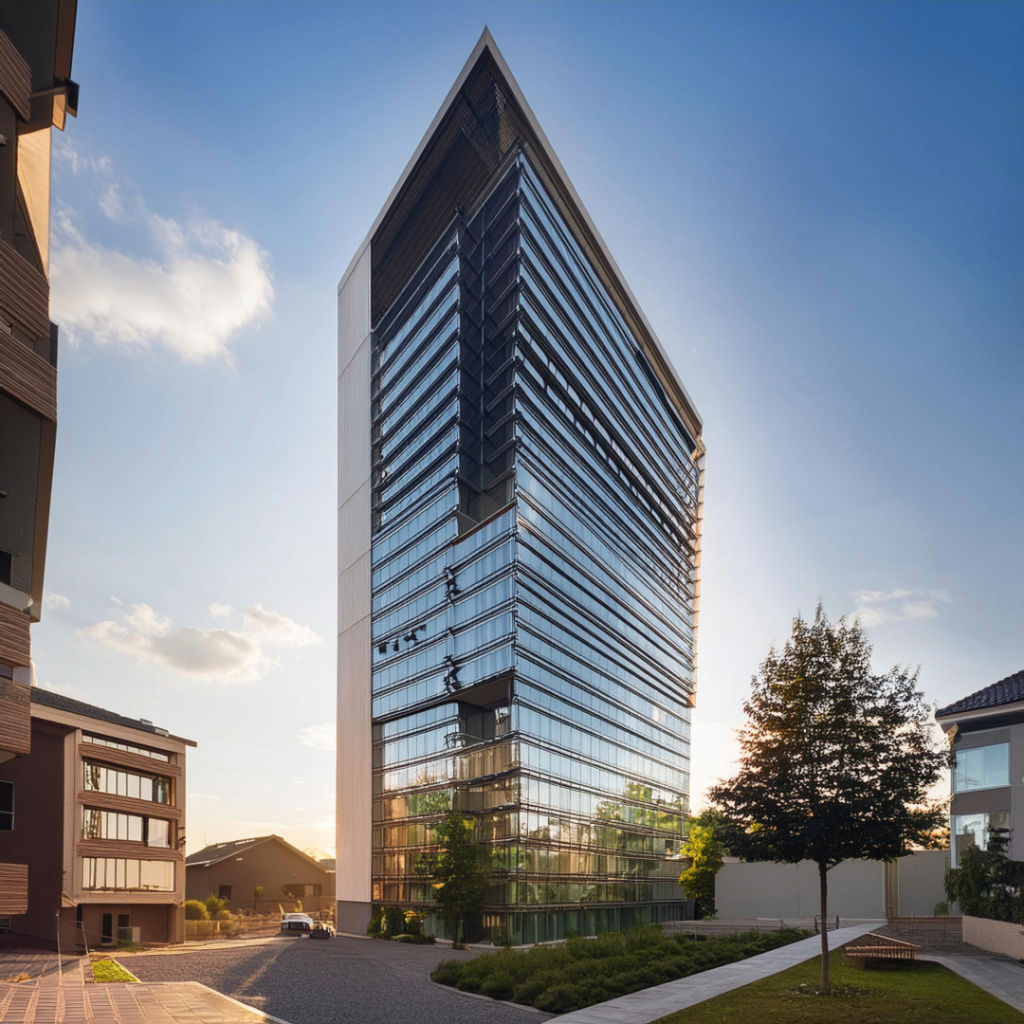
The pandemic also triggered a “flight to quality” trend, with companies prioritizing modern, well-maintained office property buildings with ample amenities and outdoor spaces. This trend has benefited newer buildings with state-of-the-art ventilation systems and wellness features. Additionally, some companies have relocated to suburban markets, seeking larger spaces at lower costs and a less dense work environment.
Adapting to the New Normal:
The office sector is adapting to these changes in several ways:
- Flexible Lease Terms: Landlords are offering shorter leases and more flexible terms to attract tenants.
- Enhanced Amenities: Office buildings are upgrading their amenities to include fitness centers, outdoor spaces, and collaborative work areas.
- Health and Wellness Focus: Building owners are investing in improved air quality, touchless technologies, and other features that promote a healthy work environment.
- Technology Integration: Smart building technologies, virtual collaboration tools, and other digital solutions are being implemented to support hybrid work models and enhance the overall office experience.
The office property sector is undergoing a period of transformation, but it remains a vital part of the commercial real estate landscape. By embracing flexibility, prioritizing health and wellness, and leveraging technology, office spaces can adapt to the new normal and continue to serve as hubs of innovation and collaboration.
The Rise of Flex Space and Coworking: A Response to Shifting Workstyles
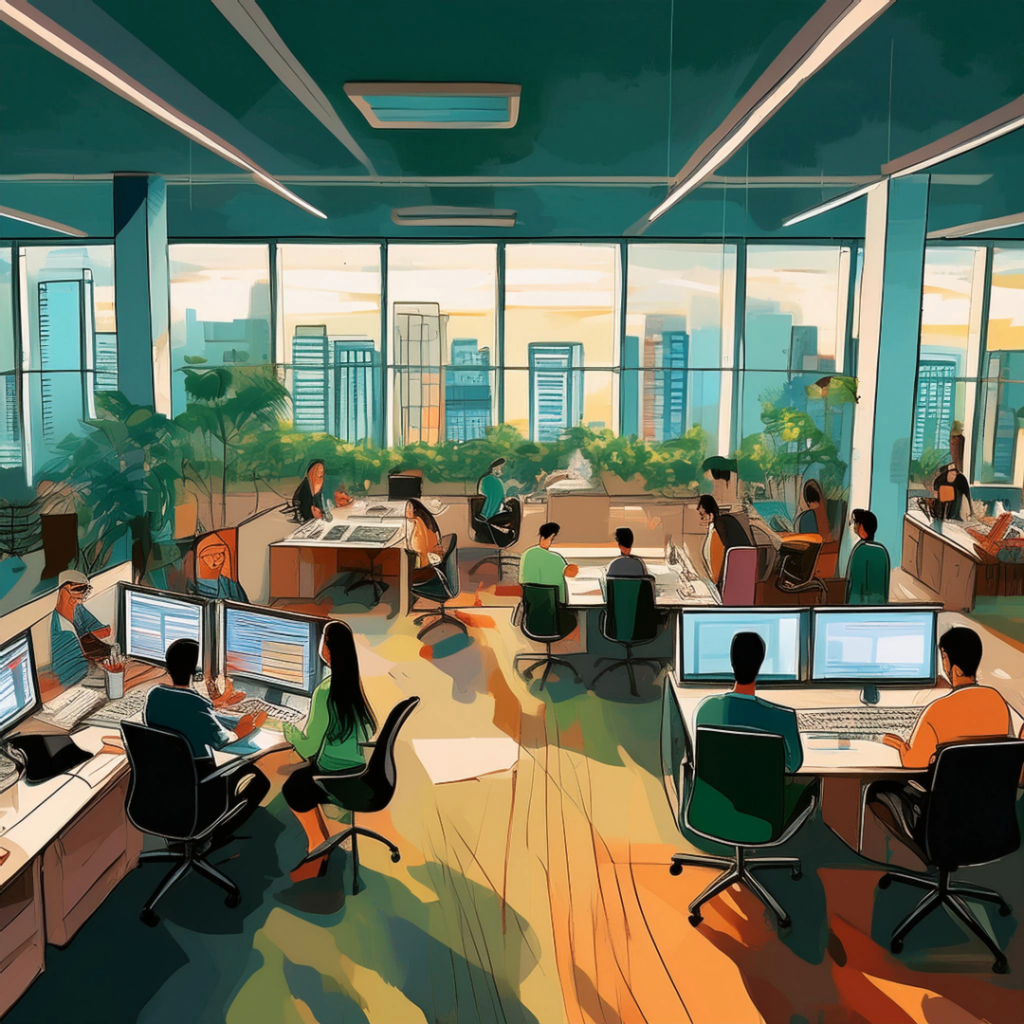
The pandemic accelerated a trend that was already gaining momentum: the rise of flex space and coworking as viable alternatives to traditional office property leases. These flexible workspace solutions have emerged as a direct response to the evolving needs and preferences of businesses and workers in the post-COVID era.
Flex Space:
Flex space, also known as flexible office space, offers adaptable work environments that can be configured to meet the specific needs of a company. These spaces often feature a mix of private offices, open work areas, meeting rooms, and communal amenities. The key advantage of flex space is its scalability and agility. Companies can easily expand or contract their footprint as needed, avoiding the long-term commitments and high upfront costs associated with traditional leases. This flexibility is particularly appealing to startups, small businesses, and companies with fluctuating workforce sizes.
Coworking Spaces:
Coworking spaces provide a shared workspace environment for individuals and teams from different companies. These spaces typically offer a variety of membership options, from hot desks (shared workstations) to dedicated desks and private offices. Coworking spaces often foster a sense of community and collaboration, providing networking opportunities and shared resources that can benefit freelancers, entrepreneurs, and remote workers.
Why Flex Space and Coworking are Thriving:
Several factors have contributed to the growing popularity of flex space and coworking:
- Cost-Effectiveness: Flex space and coworking can be more affordable than traditional office leases, especially for smaller companies and individuals. These models often include utilities, internet, and other amenities in the membership fee, eliminating the need for separate contracts and expenses.
- Flexibility: The ability to scale up or down quickly is a major draw for companies in uncertain economic times. Flex space and coworking allow businesses to adapt to changing needs without being locked into long-term leases.
- Community and Collaboration: Coworking spaces, in particular, offer a sense of community and belonging that can be missing from remote work environments. These spaces often host networking events, workshops, and social gatherings, providing opportunities for collaboration and professional development.
- Amenities and Services: Many flex space and coworking providers offer a range of amenities and services, including high-speed internet, printing, mail handling, coffee bars, and even fitness centers. These perks can enhance the overall work experience and attract a wider range of users.
Challenges and Opportunities:
While flex space and coworking are experiencing rapid growth, they also face challenges. Competition among providers is increasing, and some operators are struggling to maintain occupancy rates in the wake of the pandemic. Additionally, concerns about health and safety in shared workspaces remain a factor for some businesses.
However, the long-term outlook for flex space and coworking remains positive. As companies continue to embrace hybrid work models and prioritize flexibility, these alternative workspace solutions are poised to play an increasingly important role in the future of work. By offering cost-effective, adaptable, and community-oriented work environments, flex space and coworking are meeting the evolving needs of businesses and workers in the post-COVID era.

Looking Ahead: The Future of Office Property: Reimagining the Workplace
The office property sector is on the cusp of a transformative era, driven by evolving work patterns, technological advancements, and changing employee expectations. As we look to the future, the traditional office space is being reimagined to better align with the needs of a hybrid workforce and a more agile business landscape.
Hybrid Work Models as the Norm: The blending of remote and in-person work is expected to become the standard for many organizations. This hybrid model will require offices to adapt to support both individual focused work and collaborative team activities. We can expect to see a shift towards more flexible spaces, with a greater emphasis on meeting rooms, shared work areas, and technology-enabled collaboration zones.
The Rise of the “Experience-Driven” Office: The office is no longer just a place to get work done; it’s becoming an experience-driven destination. Companies are investing in amenities like fitness centers, outdoor spaces, cafés, and even childcare facilities to attract and retain employees. The goal is to create a vibrant and engaging workplace that fosters creativity, productivity, and employee well-being.
Health and Wellness Take Center Stage: The pandemic has brought the importance of health and wellness to the forefront. In the future, office property buildings will need to prioritize air quality, natural light, ergonomic design, and access to outdoor spaces. Some buildings are even incorporating biophilic design elements, which connect occupants with nature to reduce stress and improve well-being.
Technology as a Catalyst for Change: Technology will play a pivotal role in shaping the future of office property. Smart building systems, AI-powered analytics, and IoT devices will enable greater efficiency, personalization, and sustainability. We can expect to see more touchless technologies, virtual reality collaboration tools, and data-driven insights that optimize space utilization and enhance the overall workplace experience.
Sustainability and ESG as Priorities: Environmental, social, and governance (ESG) factors are becoming increasingly important for investors and tenants alike. Office property that prioritize sustainability, energy efficiency, and social impact will be in high demand. We can expect to see more green buildings, net-zero energy certifications, and initiatives that promote social equity and community engagement.
The Office as a Hub for Innovation: As companies seek to foster innovation and collaboration, the office will continue to play a crucial role. However, it will likely be a more dynamic and flexible space, designed to support a variety of work styles and activities. We can anticipate the emergence of “innovation hubs” within office buildings, dedicated spaces for brainstorming, prototyping, and experimentation.
The Rise of Suburban Office Property Markets: While urban centers have traditionally dominated the office property market, the pandemic has sparked a renewed interest in suburban office spaces. Many companies are relocating to suburban areas to take advantage of lower rents, larger spaces, and a less dense work environment. This trend is expected to continue, as companies seek to provide employees with more flexibility and choice in where they work.
How does the location of an office property impact its value and desirability?
Location significantly impacts the value and desirability of an office property. Proximity to transportation hubs, amenities, and prestigious neighbors can enhance property value. Accessibility, safety, and overall environment play crucial roles in attracting tenants and determining a property’s market worth.
The Future is Bright:
The future of office property is not about abandoning the physical workplace, but rather reimagining it to better align with the needs of a changing world. By embracing hybrid work models, prioritizing health and wellness, leveraging technology, and focusing on sustainability, the office sector can thrive in the years to come. The future office will be a dynamic, adaptable, and human-centric space that fosters innovation, collaboration, and employee well-being.
In conclusion, the post-COVID office landscape is characterized by change, adaptation, and the emergence of new trends. Understanding these shifts is crucial for making informed decisions in the CRE market. By embracing flexibility, prioritizing health and wellness, and leveraging technology, the office property can remain relevant and valuable in the years to come.