In the vast landscape of commercial real estate (CRE), multifamily real estate investing stands out as a resilient and attractive investment. As populations grow, urbanization continues, and housing preferences evolve, the demand for multifamily housing remains strong. This article aims to shed light on the multifamily sector, exploring its diverse property types, investment strategies, and key considerations for investors.
Table of Contents
The Allure of Multifamily Real Estate Investing:
Multifamily real estate, encompassing properties with five or more units, offers several advantages to investors:
- Stable Demand: The need for housing is a fundamental human necessity, ensuring a consistent demand for multifamily properties.
- Diversification: Investing in multifamily assets can diversify a portfolio, spreading risk across multiple tenants and properties.
- Passive Income Potential: Multifamily properties generate rental income, providing a steady stream of cash flow for investors.
- Appreciation Potential: Over time, multifamily properties often appreciate in value, offering the potential for significant capital gains.
Understanding Multifamily Real Estate Investing Trends: Navigating a Shifting Landscape
The multifamily market is a dynamic and ever-changing landscape, influenced by a complex interplay of economic, social, and demographic factors. Understanding these trends is crucial for investors seeking to make informed decisions and capitalize on emerging opportunities.
Key Drivers of Multifamily Demand:
- Population Growth: The world’s population continues to grow, and this growth is concentrated in urban areas. As more people move to cities for work and lifestyle opportunities, the demand for rental housing intensifies. This trend is particularly evident in emerging markets and developing countries, where urbanization is occurring at a rapid pace.
- Urbanization: Urbanization is not just about population growth; it’s also about a shift in lifestyle preferences. Young professionals and millennials are increasingly drawn to urban environments for their vibrant culture, diverse job opportunities, and convenient access to amenities. This preference for urban living fuels the demand for multifamily housing in city centers and surrounding areas.
- Changing Demographics: The rise of millennials, the largest generation in history, has significantly impacted the multifamily market. Millennials are delaying homeownership due to a variety of factors, including student loan debt, high housing costs, and a desire for flexibility. This has led to a surge in demand for rental housing, particularly in urban areas with a high concentration of young professionals.
- Economic Factors: Economic conditions, such as job growth, wage levels, and interest rates, also play a significant role in multifamily demand. Strong economic growth and low-interest rates can boost demand for rental housing, while economic downturns can lead to increased vacancies and lower rental rates.
- Regulatory Environment: Government policies and regulations can also influence the multifamily market. Zoning laws, rent control measures, and tax incentives can all impact the development and profitability of multifamily properties. Investors need to stay abreast of regulatory changes to make informed investment decisions.
Recent Market Trends:
The multifamily market has experienced several notable trends in recent years:
- Rising Rents: Rental rates have been on the rise in many markets, driven by strong demand and limited supply. This has led to increased profitability for multifamily investors, but also concerns about affordability for renters.
- Declining Vacancy Rates: Vacancy rates have generally declined, indicating a tight rental market with high occupancy levels. This trend is particularly evident in urban areas and high-growth markets.
- Increased Construction Activity: To meet the growing demand for rental housing, developers have ramped up construction activity. This has led to a surge in new multifamily projects, particularly in suburban areas and emerging markets.
- Shifting Preferences: Renters are increasingly seeking properties with modern amenities, such as fitness centers, co-working spaces, and pet-friendly policies. Additionally, the pandemic has accelerated the trend towards larger units and suburban locations, as remote work has become more prevalent.
- Technology Adoption: Technology is transforming the multifamily industry, with online leasing platforms, virtual tours, and smart home features becoming increasingly common. This trend is expected to continue as technology continues to evolve.
The post-pandemic landscape has also introduced new challenges and opportunities. While remote work has led to a decrease in demand for office space, it has also fueled the demand for larger apartments and suburban properties. Additionally, the economic uncertainty caused by the pandemic has led to greater scrutiny of tenant financials and a renewed focus on risk management.
Looking Ahead:
The future of the multifamily market is bright. The demand for rental housing is expected to remain strong, driven by demographic shifts, urbanization, and changing lifestyle preferences. However, investors will need to navigate a complex and evolving landscape, adapting to new trends and challenges. By staying informed about market conditions, embracing technology, and prioritizing tenant needs, multifamily investors can position themselves for continued success in this dynamic sector.
Exploring Multifamily Property Types:
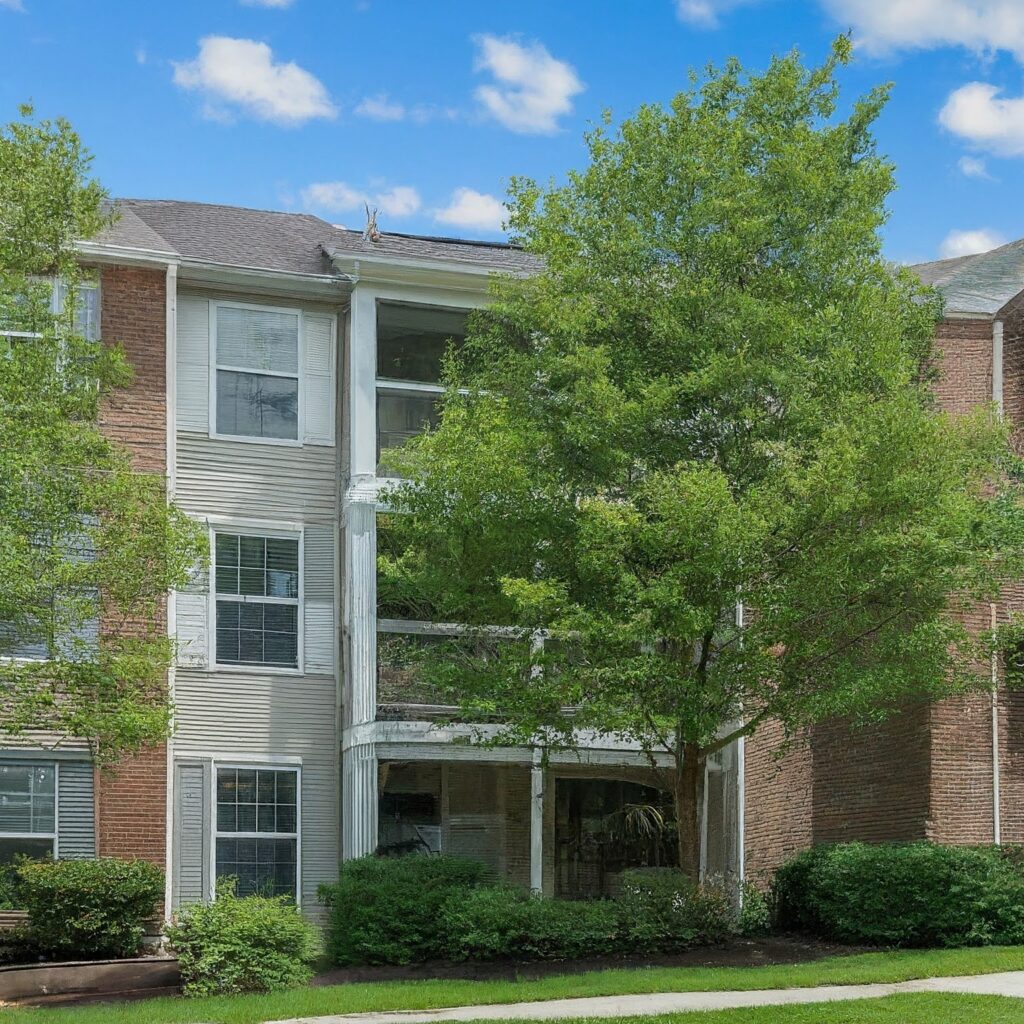
- Garden-Style Apartments: These low-rise buildings, typically with one to three stories, offer a suburban feel with ample outdoor space and landscaping. They appeal to families, young professionals, and retirees seeking a more relaxed living environment.
- Mid-Rise Apartments: Ranging from four to ten stories, mid-rise apartments are often found in urban and suburban areas. They typically feature elevators and a mix of unit sizes, attracting young professionals and empty nesters.
- High-Rise Apartments: These towering structures, usually located in city centers, offer luxury living with top-notch amenities like rooftop pools, fitness centers, and concierge services. They cater to affluent renters and professionals seeking a high-end lifestyle.
- Student Housing: Located near universities and colleges, student housing caters to the unique needs of college students. These properties often feature shared living spaces, study areas, and social amenities.
- Senior Housing (55+): Designed for older adults, senior housing offers various levels of care, including independent living, assisted living, and memory care. The demand for senior housing is growing rapidly as the baby boomer generation ages.
- Affordable Housing: This government-subsidized housing is reserved for low-income individuals and families. While rent restrictions apply, affordable housing offers stable occupancy and tax incentives for investors.
Choosing the Right Multifamily Real Estate Investing Strategy:
Investors have several options when it comes to multifamily investing:
- Buy-and-Hold: This long-term strategy involves purchasing a property and holding it for an extended period to generate rental income and benefit from appreciation.
- Value-Add: This strategy involves acquiring underperforming properties, making improvements to increase their value, and then selling or refinancing them.
- Development: This approach involves constructing new multifamily properties from the ground up. While riskier, development can yield significant returns if executed successfully.
Key Considerations for Multifamily Investors: A Roadmap to Success
Investing in multifamily real estate can be a lucrative venture, but it requires careful planning and due diligence. Here are the key considerations for investors looking to enter or expand their presence in this thriving sector:
Location, Location, Location:
The adage “location, location, location” holds especially true for multifamily investments. The success of a property hinges on its desirability to potential tenants, making location a paramount factor. Investors should consider the following:
- Neighborhood Demographics: Research the demographics of the surrounding area, including age, income levels, occupation types, and family composition. This data can help investors understand the target market and tailor their property to meet tenant needs.
- Proximity to Jobs and Transportation: Properties located near major employment centers, public transportation hubs, and highways tend to attract more tenants and command higher rents. Consider the commute times to major job centers and access to public transportation options.
- Amenities and Lifestyle Factors: Proximity to schools, shopping centers, restaurants, parks, and other amenities can significantly enhance a property’s appeal. Research the neighborhood’s walkability score and assess the availability of desirable lifestyle features.
- Future Development: Look into any planned developments or infrastructure projects in the area. These can positively or negatively impact property values and rental demand.
Property Condition and Potential:
The physical condition of a multifamily property is a critical factor for investors. A well-maintained property with modern amenities will attract and retain tenants, leading to higher occupancy rates and rental income. Investors should conduct thorough due diligence, including:
- Property Inspection: A professional inspection is essential to assess the property’s condition, identify potential repairs or upgrades, and estimate future maintenance costs.
- Capital Expenditure Budget: Develop a budget for any necessary renovations or improvements to enhance the property’s appeal and value. This may include updating kitchens and bathrooms, improving common areas, or adding energy-efficient features.
- Value-Add Opportunities: Look for properties that offer value-add potential, such as underutilized spaces that can be converted into amenities or units that can be upgraded to command higher rents.
Financing Options:
Securing the right financing is crucial for multifamily investments. Investors have several options, each with its own advantages and disadvantages:
- Conventional Loans: These loans are offered by banks and other financial institutions and typically require a higher down payment and stricter underwriting standards. However, they often offer competitive interest rates and flexible terms.
- Agency Loans: Government-sponsored enterprises like Fannie Mae and Freddie Mac offer agency loans, which are designed to support multifamily housing. These loans often have lower interest rates and longer repayment terms than conventional loans, but they also have stricter requirements for property type and borrower qualifications.
- Equity Partnerships: Investors can partner with other investors or private equity firms to pool resources and share risks. This can be a good option for investors who lack the capital or experience to invest in multifamily properties on their own.
Property Management:
Effective property management is crucial for the success of a multifamily investment. A skilled property manager can handle tenant screening, rent collection, maintenance requests, and other day-to-day operations, ensuring smooth operations and maximizing profitability. Investors should carefully research and select a reputable property management company with a proven track record in the multifamily sector.
Additional Considerations:
- Market Analysis: Thoroughly research the local real estate market, including rental rates, vacancy rates, and recent sales data. This will help investors determine the property’s potential for income and appreciation.
- Legal and Regulatory Compliance: Ensure that the property complies with all local zoning laws, building codes, and environmental regulations.
- Risk Management: Develop a comprehensive risk management plan to address potential challenges, such as natural disasters, economic downturns, and tenant issues.
- Exit Strategy: Consider your long-term goals for the investment and develop an exit strategy, whether it’s selling the property, refinancing, or holding it for long-term cash flow.
By carefully considering these key factors, investors can make informed decisions, mitigate risks, and maximize their returns in the dynamic and rewarding multifamily real estate market.
The Post-Pandemic Landscape:
The COVID-19 pandemic has impacted the multifamily market in several ways. Remote work and shifting demographics have led to increased demand for suburban properties with more space and amenities. Additionally, the economic downturn has highlighted the importance of tenant screening and financial stability. However, the long-term outlook for multifamily remains positive, as the need for housing continues to grow.
The Future of Multifamily:
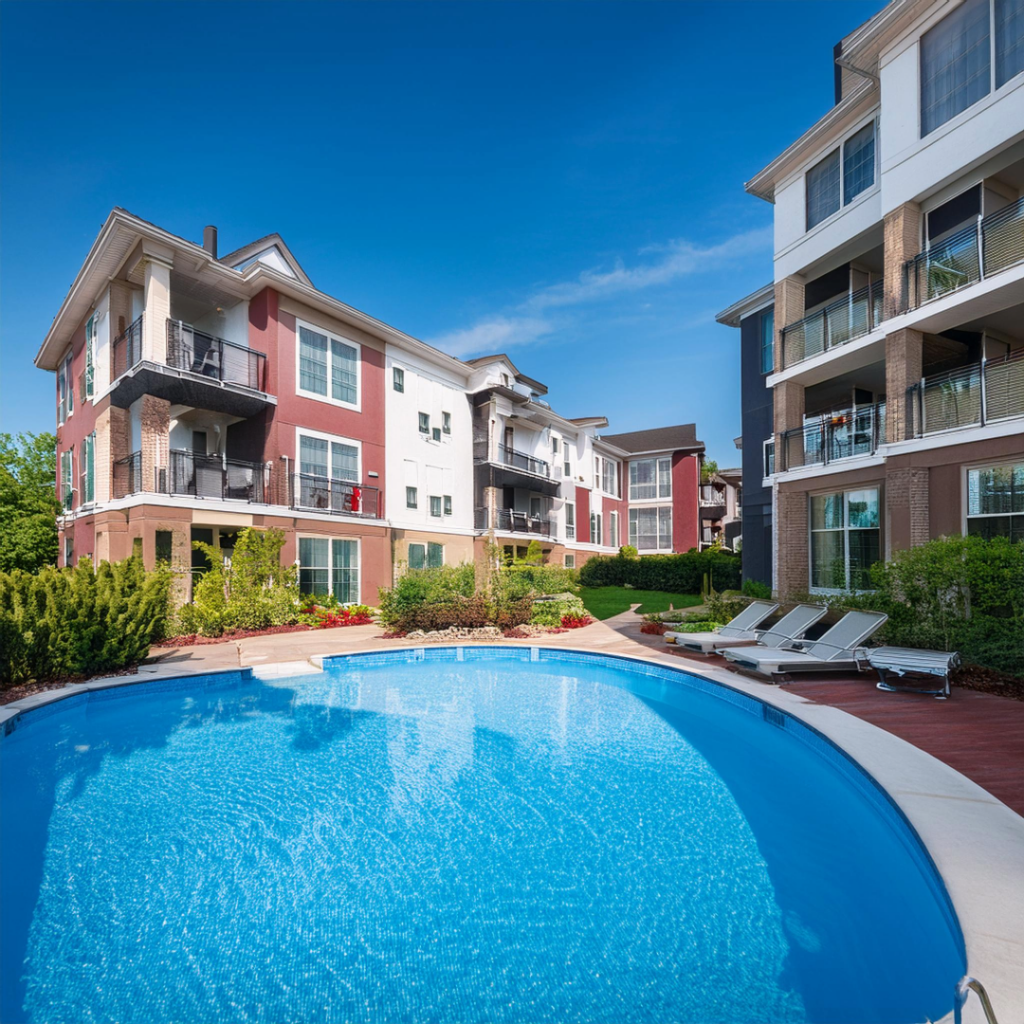
The multifamily sector is constantly evolving. Emerging trends like build-to-rent single-family homes, micro-units, and co-living spaces are reshaping the landscape. As technology advances, we can expect to see more smart home features, virtual tours, and online leasing platforms in the multifamily space.
In conclusion, multifamily real estate offers a wealth of opportunities for investors seeking stable income, diversification, and long-term growth. By understanding the various property types, market trends, and investment strategies, investors can make informed decisions and build a successful multifamily portfolio. As the demand for rental housing continues to rise, multifamily investments are poised to remain a cornerstone of the CRE market for years to come.