Commercial real estate, a cornerstone of the global economy, encompasses a vast array of property types serving diverse purposes. Among these, Industrial real estate stands out for its pivotal role in facilitating the production, storage, and distribution of goods that power industries worldwide. This article delves into the intricacies of industrial real estate, exploring its property types, current market dynamics, and future outlook.
Table of Contents
Industrial Real Estate Overview: The Backbone of Commerce
Industrial real estate refers to properties used for manufacturing, warehousing, distribution, and other related activities. These properties are essential components of supply chains, ensuring that raw materials are transformed into finished products and efficiently delivered to consumers. The industrial sector encompasses a wide range of businesses, from small-scale manufacturers to multinational corporations, and its health is closely linked to the overall economic climate.
Industrial Real Estate Property Types: Diverse Solutions for Varied Needs
The Industrial real estate is a diverse landscape, encompassing various property types designed to cater to the specific needs of different businesses and industries. Understanding these distinct property types is essential for making informed decisions in the industrial real estate market. Let’s delve deeper into each category:
Manufacturing Facilities:
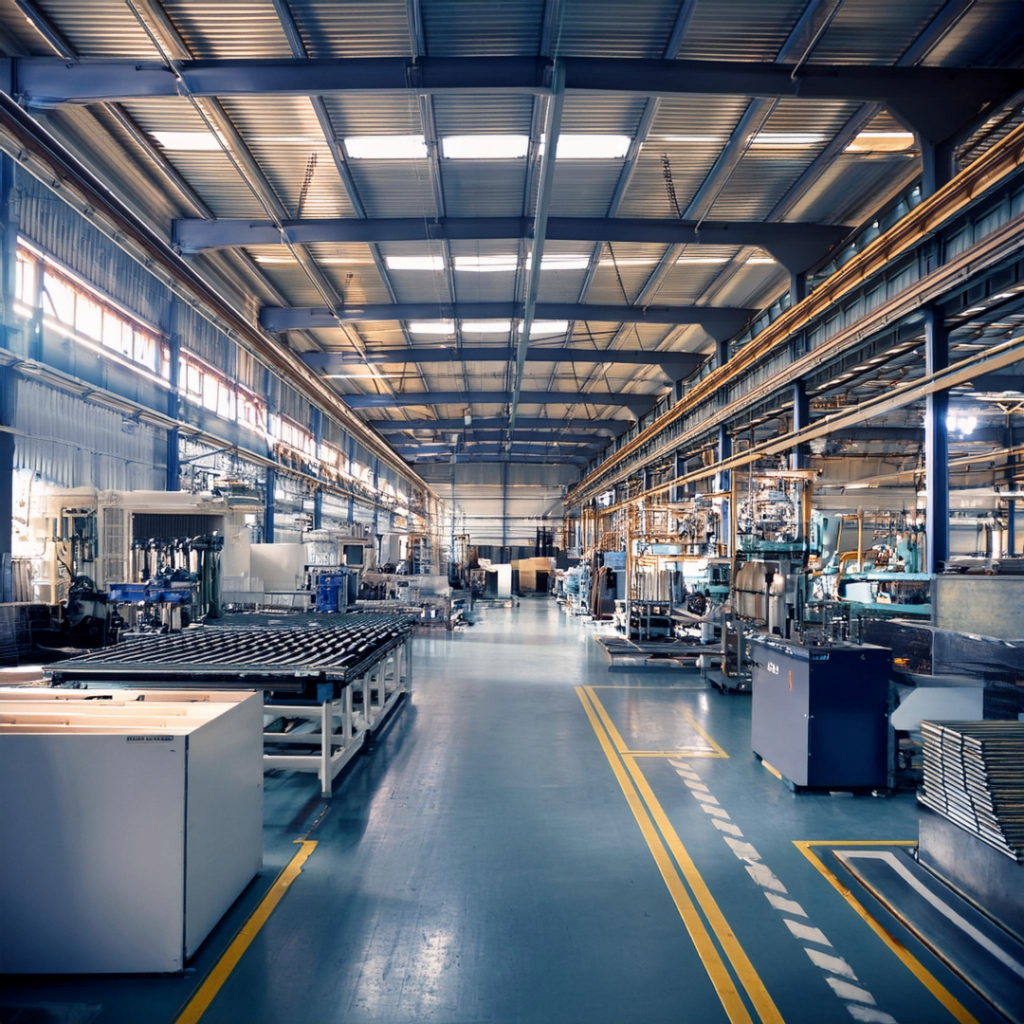
- These properties are the heart of production, where raw materials are transformed into finished goods.
- They can vary greatly in size and complexity, from small workshops to massive factories.
- Features often include heavy machinery, assembly lines, and specialized infrastructure like ventilation systems and power grids.
- Manufacturing facilities are critical for industries like automotive, electronics, and consumer goods.
Warehouses:
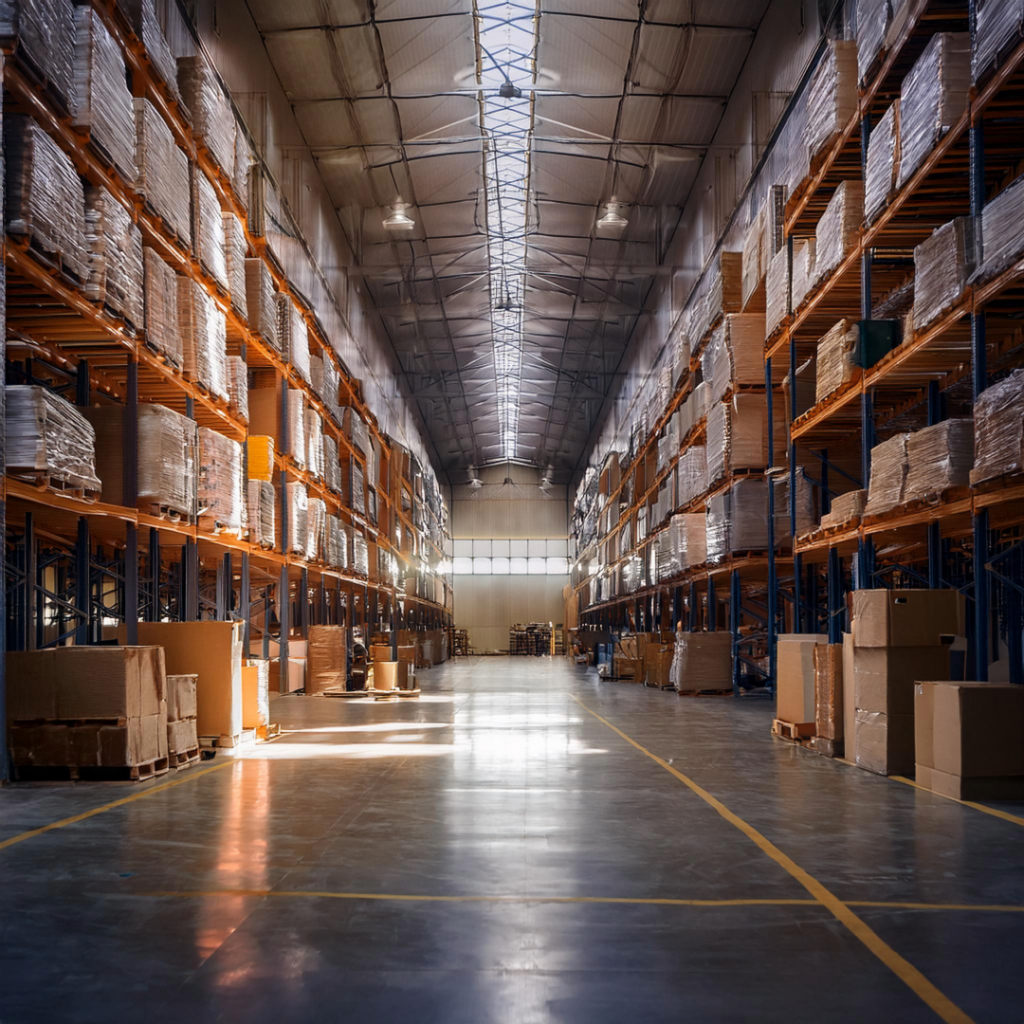
- Serving as storage hubs, warehouses are essential for managing inventory and ensuring efficient supply chains.
- They can be designed for various storage needs, including bulk storage, pallet racking, and temperature-controlled environments.
- Location is a crucial factor for warehouses, with proximity to transportation hubs and major markets being highly desirable.
Distribution Centers:
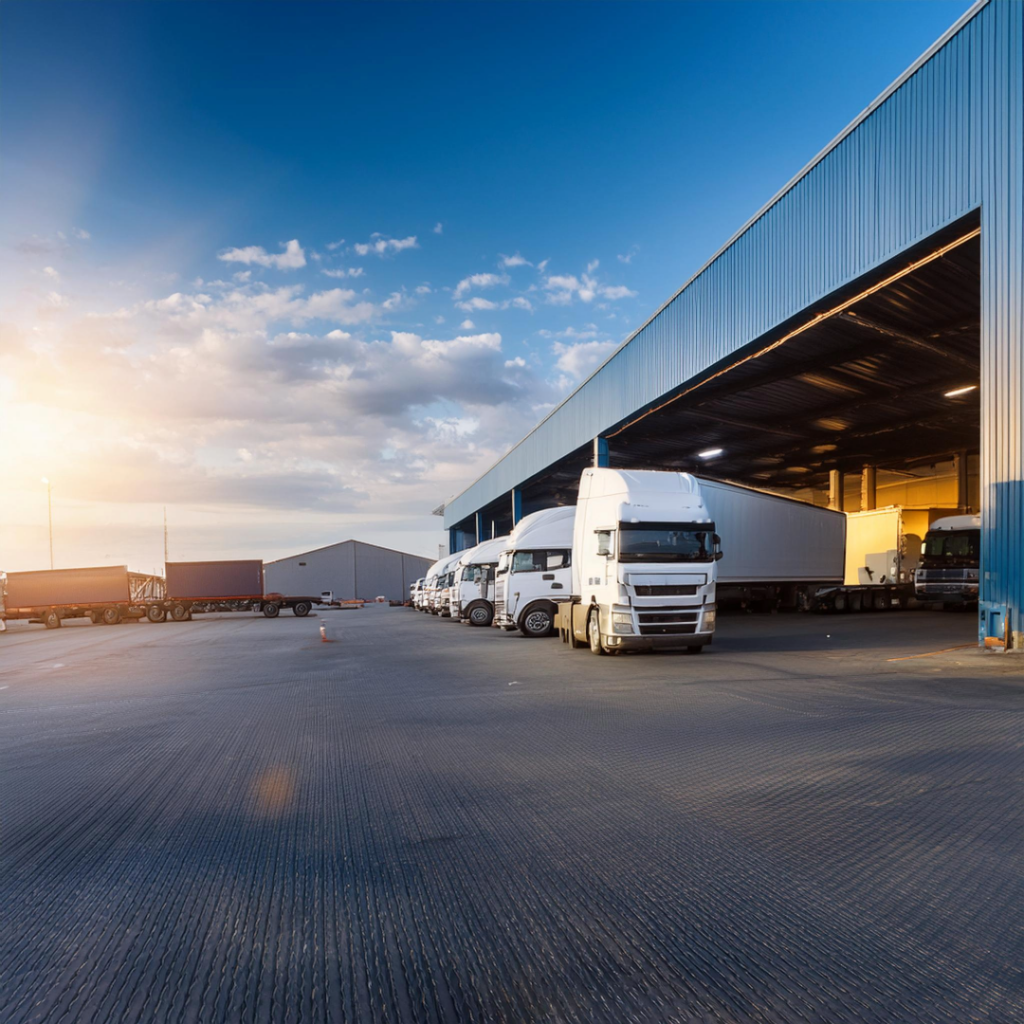
- Strategically located near highways, airports, and seaports, distribution centers facilitate the rapid movement of goods.
- They are equipped with loading docks, conveyor systems, and sorting facilities to streamline the distribution process.
- The rise of e-commerce has significantly increased the demand for distribution centers, as businesses strive to meet the expectations of fast and efficient delivery.
Flex Spaces:
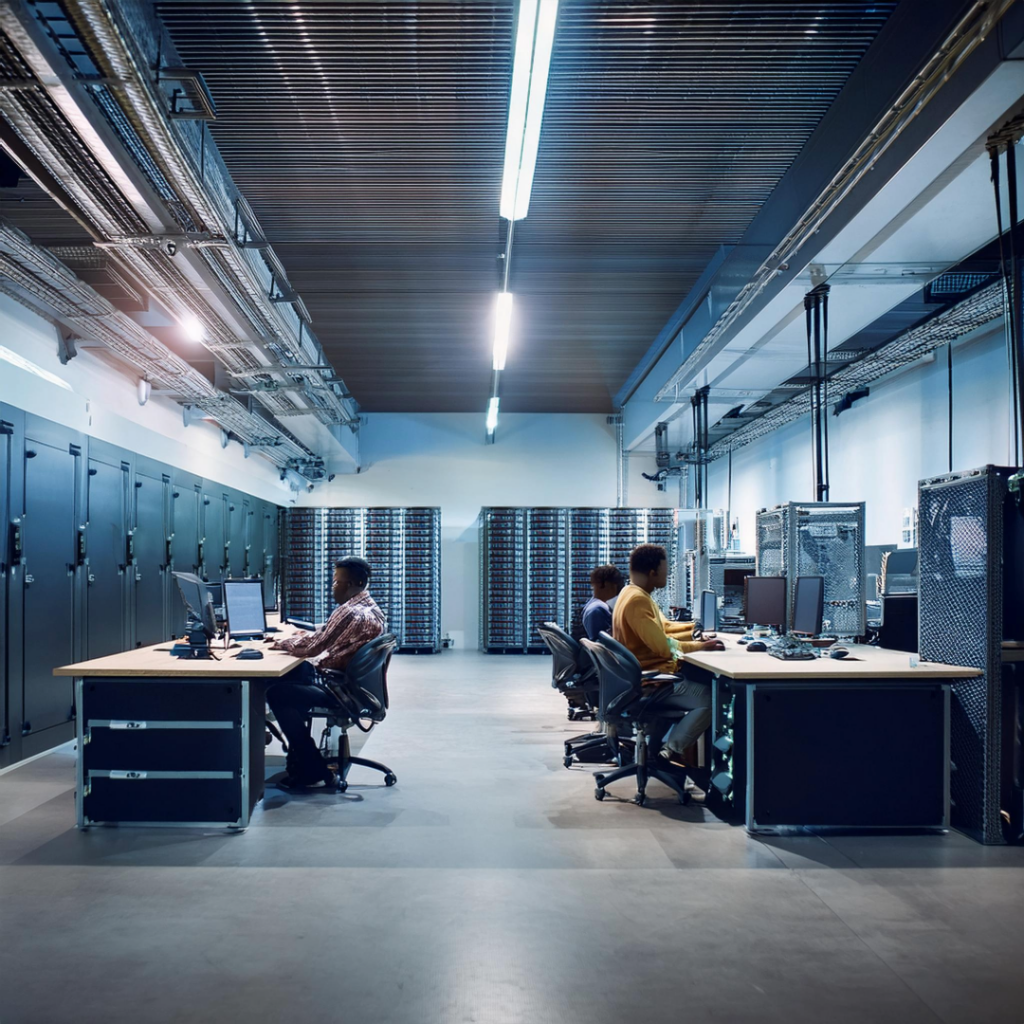
- Offering a blend of office and industrial space, flex spaces cater to businesses seeking flexibility and adaptability.
- They typically feature open floor plans, high ceilings, and ample natural light.
- Flex spaces are popular among startups, small businesses, and creative industries that require both workspace and light manufacturing or storage capabilities.
Research and Development (R&D) Facilities:

- These specialized properties house laboratories, testing facilities, and other resources necessary for product development and innovation.
- They often feature advanced technologies and infrastructure to support cutting-edge research.
- R&D facilities are crucial for industries like pharmaceuticals, biotechnology, and technology, where innovation is a key driver of growth.
Data Centers:

- In the digital age, data centers have become the backbone of the internet and cloud computing.
- These properties house servers, storage systems, and networking equipment that manage and process vast amounts of data.
- Data centers require robust infrastructure, including power backup systems, cooling systems, and security measures to ensure uninterrupted operation.
Beyond these core types, the industrial real estate market also includes specialized properties like cold storage facilities, truck terminals, and self-storage facilities. The diversity of industrial property types reflects the wide-ranging needs of businesses across various sectors. As technology continues to advance and consumer behavior evolves, the industrial real estate landscape will continue to adapt, offering innovative solutions to meet the changing demands of the market.
Current Market Conditions: Post-Pandemic Surge and Transformation in the Industrial Real Estate Sector
The COVID-19 pandemic has acted as a catalyst for change, accelerating trends and introducing new dynamics that have profoundly impacted the industrial real estate market. The current landscape is characterized by robust demand, supply chain adaptations, technological advancements, and shifting labor dynamics that are transforming the way industrial properties are used and valued.
E-commerce Boom: Unprecedented Growth and Demand
- The Rise of Online Shopping: The pandemic-induced shift towards online shopping has fueled an unprecedented surge in e-commerce activity. Consumers are increasingly opting for the convenience and safety of home delivery, driving up demand for warehousing and distribution space.
- Fulfillment Frenzy: As retailers and e-commerce giants race to meet consumer expectations for fast and efficient delivery, they are expanding their fulfillment networks, leading to a surge in demand for strategically located industrial properties.
- Last-Mile Delivery Dominance: The emphasis on quick delivery has fueled the rise of last-mile delivery facilities, strategically positioned near urban centers to facilitate rapid order fulfillment and reduce transportation costs. These smaller-scale facilities are becoming increasingly valuable in densely populated areas.
Supply Chain Resilience: Adapting to a Changing World
- Disruption and Reevaluation: The pandemic exposed vulnerabilities in global supply chains, highlighting the risks of relying on just-in-time inventory and single-source suppliers. Businesses are now prioritizing resilience and diversification in their supply chain strategies.
- Strategic Location Matters: The need for greater control over inventory and shorter lead times has led to increased demand for industrial properties in strategic locations, closer to manufacturing hubs and consumer markets.
- Nearshoring and Onshoring: Some companies are even relocating production operations closer to home, a trend known as “nearshoring” or “onshoring,” to reduce reliance on overseas suppliers and mitigate supply chain risks.
Technology and Automation: The Rise of Smart Warehouses
- Efficiency and Productivity Gains: The industrial sector is embracing technology and automation at an accelerated pace. Robotics, artificial intelligence, and data analytics are transforming warehouse operations, leading to significant improvements in efficiency, productivity, and safety.
- The Smart Warehouse Revolution: The rise of smart warehouses, equipped with sensors, connected devices, and intelligent systems, is enabling real-time inventory tracking, optimized picking and packing processes, and predictive maintenance.
- Industry 4.0: The convergence of advanced technologies is ushering in the era of Industry 4.0, where manufacturing and logistics processes are becoming increasingly interconnected and data-driven.
Labor Market Dynamics: Challenges and Opportunities
- Labor Shortages and Rising Wages: The pandemic has disrupted the labor market, leading to shortages in some regions and driving up wages. This has implications for the industrial real estate sector, as businesses seek locations with access to a skilled and available workforce.
- Automation and the Workforce: While automation can help mitigate labor challenges, it also raises questions about the future of work in the industrial sector. The balance between human labor and technology will continue to evolve, impacting the design and operation of industrial facilities.
The industrial real estate market is undergoing a profound transformation, driven by the post-pandemic surge in e-commerce, the need for supply chain resilience, and the rapid adoption of technology. Businesses and investors must adapt to these changing dynamics and position themselves for success in this new era. The opportunities for growth and innovation are significant, but competition for prime properties is fierce. By embracing technology, prioritizing sustainability, and strategically aligning their real estate decisions with evolving market trends, businesses can navigate the complexities of the current landscape and secure their place in the future of the industrial sector.
Future Outlook: Innovation and Sustainability Shaping the Industrial Real Estate Landscape
The industrial real estate sector stands at the forefront of a transformative era, driven by a confluence of factors that are reshaping the way we produce, store, and distribute goods. Innovation and sustainability are emerging as the twin pillars of this transformation, guiding the development and evolution of industrial properties in the years to come.
E-commerce Evolution: The Unstoppable Force
- Continued Growth and Expansion: E-commerce is not just a pandemic-induced phenomenon but a fundamental shift in consumer behavior that shows no signs of abating. Online sales are projected to continue their upward trajectory, further fueling demand for industrial properties that support the e-commerce ecosystem.
- Last-Mile Delivery Dominates: As consumer expectations for rapid delivery continue to rise, the importance of last-mile delivery facilities will only grow. These strategically located properties, situated near urban centers, enable businesses to shorten delivery times and meet the demands of the on-demand economy.
- Fulfillment Innovation: The e-commerce boom is driving innovation in fulfillment strategies, with the emergence of micro-fulfillment centers and automated fulfillment solutions. Industrial properties will need to adapt to accommodate these evolving needs.
Technological Advancements: The Rise of the Smart Warehouse
- Industry 4.0 in Action: The convergence of technologies like the Internet of Things (IoT), artificial intelligence, robotics, and data analytics is ushering in the era of Industry 4.0. Industrial properties are becoming increasingly connected and intelligent, enabling greater automation, efficiency, and data-driven decision-making.
- The Smart Warehouse Revolution: Smart warehouses equipped with sensors, connected devices, and intelligent systems are optimizing inventory management, improving order fulfillment accuracy, and enabling predictive maintenance.
- Advanced Manufacturing: Technologies like 3D printing and additive manufacturing are transforming production processes, potentially leading to the development of more localized and flexible manufacturing facilities.
Sustainability Imperative: A Green Revolution
- Environmental Responsibility: Growing environmental awareness and concerns about climate change are driving a focus on sustainability in all sectors, including industrial real estate.
- Energy Efficiency and Renewable Energy: Demand for energy-efficient buildings and the integration of renewable energy sources like solar panels are on the rise. Green building certifications and sustainable design practices are becoming increasingly important.
- Circular Economy: The concept of a circular economy, where resources are reused and recycled to minimize waste, is gaining traction in the industrial sector. This will influence the design and operation of industrial facilities, promoting resource efficiency and reducing environmental impact.
Urban Logistics and Micro-Fulfillment: Space Optimization in Dense Areas
- Urbanization and Delivery Demands: As urbanization continues and consumer expectations for rapid delivery intensify, the demand for urban logistics and micro-fulfillment centers is surging.
- Adaptive Reuse and Innovation: Finding suitable space in densely populated urban areas is a challenge. Adaptive reuse of existing buildings and innovative space utilization strategies, such as vertical warehouses and rooftop fulfillment centers, will be crucial for meeting the demand for urban logistics space.
Flexible and Adaptable Spaces: The Need for Agility
- Evolving Business Needs: The pace of change in the business world is accelerating, and industrial properties will need to be adaptable to accommodate evolving needs.
- Multi-Use and Reconfigurable Spaces: Flexible spaces that can be easily reconfigured for different uses, such as manufacturing, warehousing, or distribution, will be in high demand.
- Modular Construction: Modular construction techniques offer faster construction times and the ability to modify or expand facilities as needed, providing businesses with the agility to respond to market shifts and seize new opportunities.
The future of industrial real estate is brimming with possibilities. Innovation, sustainability, and adaptability are the key themes that will shape the sector in the years to come. By embracing technological advancements, prioritizing environmental responsibility, and designing flexible spaces, businesses and investors can position themselves for success in this dynamic and ever-evolving landscape. The industrial real estate market is poised for continued growth and transformation, and those who are prepared to adapt and innovate will reap the rewards.
Conclusion
The industrial real estate sector is a dynamic and vital component of the global economy. From manufacturing facilities to data centers, these properties support a wide range of industries and facilitate the flow of goods that sustain our modern way of life. As we navigate the post-pandemic era and embrace the opportunities presented by technological advancements, the industrial real estate market is set for continued growth and innovation. Whether you’re an investor, a business owner, or simply interested in understanding the forces shaping our economy, the industrial sector offers a fascinating glimpse into the future of commerce.