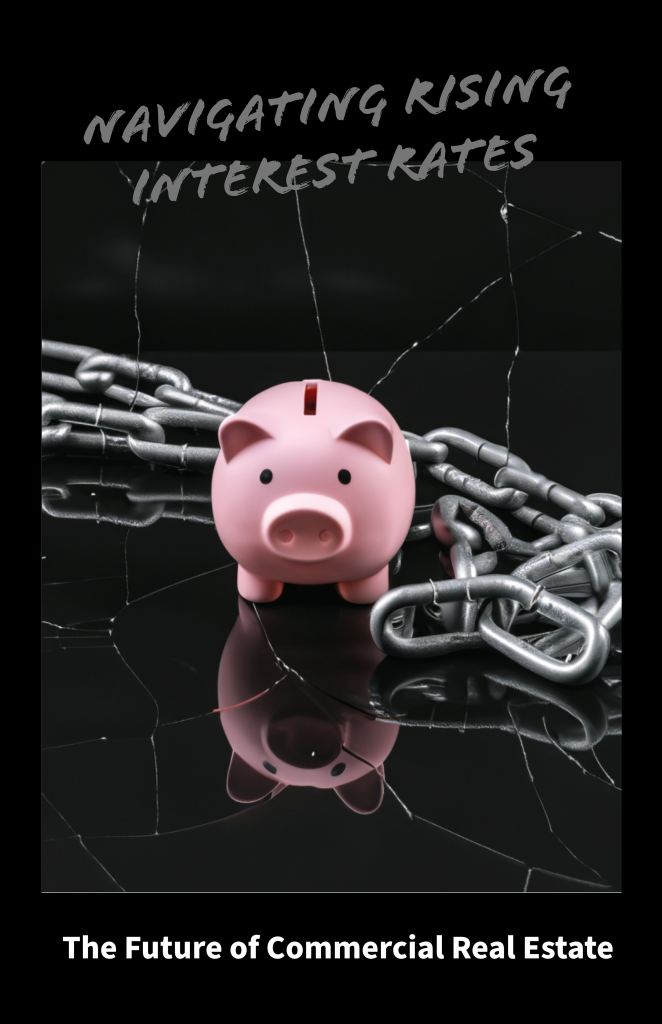
In the ever-evolving landscape of real estate, one of the most critical factors influencing market dynamics is the movement of interest rates. As interest rates begin to rise, it’s natural to wonder about the implications for the commercial real estate sector. Will demand dwindle? Will businesses pull back on expansion plans? These questions loom large, yet amidst the shifting tides, there are reasons to remain cautiously optimistic about the future of commercial space.
Despite the anticipation of rising interest rates, the demand for commercial space is expected to persist, albeit potentially at a slower pace compared to recent years. Several factors contribute to this resilience, offering insights into the nuanced dynamics at play within the industry.
Population Growth: One of the primary drivers of demand for commercial real estate is population growth. As communities expand, so too does the need for retail outlets, office spaces, and industrial facilities. This fundamental principle underscores the enduring demand for commercial properties, even in the face of fluctuating interest rates.
Business Expansion: In parallel with population growth, businesses continually seek opportunities to expand their operations. Whether it’s opening new storefronts, establishing regional offices, or expanding manufacturing facilities, the appetite for commercial space remains robust. For many enterprises, expansion is not merely a luxury but a strategic imperative for sustaining competitiveness and capturing new markets.
Adaptation and Innovation: Another factor contributing to the resilience of commercial real estate is the industry’s capacity for adaptation and innovation. As economic conditions evolve, stakeholders within the sector demonstrate a remarkable ability to pivot and reimagine spaces to meet emerging needs. This adaptability fosters a dynamic environment where demand can persist even amidst changing market conditions.
Investment Potential: Despite the specter of rising interest rates, commercial real estate continues to offer compelling investment opportunities. For investors seeking stable returns and portfolio diversification, commercial properties remain an attractive asset class. While fluctuations in interest rates may necessitate adjustments in investment strategies, the underlying value proposition of commercial real estate endures.
However, it’s essential to acknowledge that the landscape of commercial real estate is not immune to the impacts of rising interest rates. As borrowing costs increase, developers and investors may face heightened financial pressures, potentially leading to adjustments in pricing and development timelines. Moreover, sectors within commercial real estate may experience divergent trends, with some segments proving more resilient than others in the face of changing economic conditions.
In navigating the challenges posed by rising interest rates, stakeholders in the commercial real estate sector must adopt a strategic and adaptive approach. Embracing innovative design concepts, exploring new markets, and leveraging technology to enhance efficiency are among the strategies that can help position players for success in a shifting landscape.
Furthermore, collaboration and partnerships between industry stakeholders, including developers, investors, and local governments, can foster resilience and drive sustainable growth. By aligning interests and pooling resources, stakeholders can mitigate risks, capitalize on opportunities, and contribute to the continued vitality of the commercial real estate market.
In conclusion, while rising interest rates may introduce new complexities and challenges to the commercial real estate sector, the underlying demand for commercial space is expected to persist. Factors such as population growth, business expansion, adaptation, innovation, and investment potential serve as pillars of resilience, offering a foundation upon which the industry can navigate and thrive amidst changing economic conditions. By embracing innovation, fostering collaboration, and maintaining a strategic focus, stakeholders can position themselves to capitalize on the opportunities that lie ahead in the dynamic world of commercial real estate.