In the complex world of commercial real estate (CRE) investing, informed decision-making is paramount. One tool that plays a crucial role in this process is the stacking plan. Often referred to as the “x-ray” of a commercial property, a stacking plan offers a visual representation of a building’s occupancy and lease information, providing critical insights for various stakeholders in the CRE industry.
Table of Contents
What is a Stacking Plan?
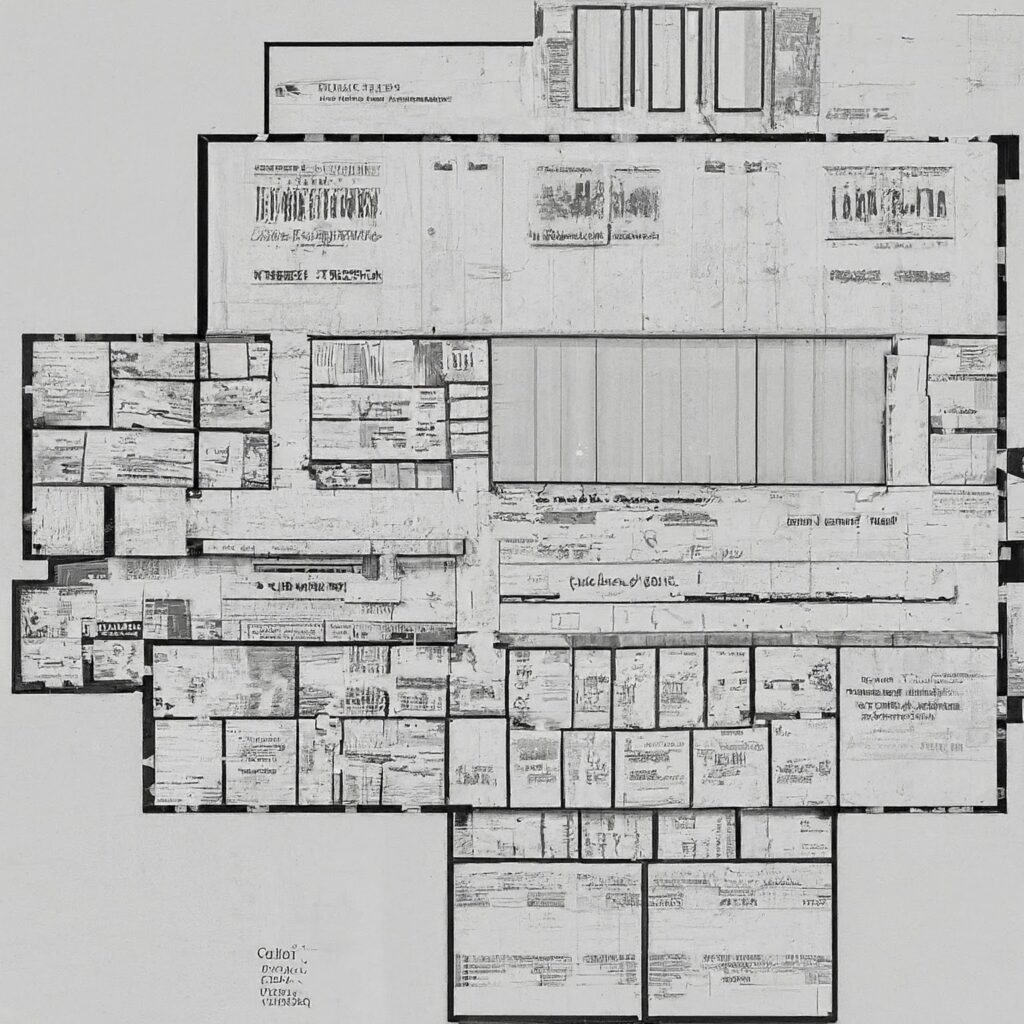
At its core, a stacking plan is a visual representation, typically in the form of a chart or diagram, that illustrates the occupancy and lease status of a commercial building. It functions much like a blueprint, but instead of showcasing the physical layout, it reveals the financial and tenancy structure of the property.
The plan typically presents a floor-by-floor breakdown, detailing the following key elements for each space:
- Tenant Names: Clearly identifies the current occupants of each unit or space.
- Leased Areas: Specifies the square footage leased by each tenant, offering a sense of the space utilization and revenue potential.
- Lease Expirations: Highlights the end dates of each lease, crucial for understanding future vacancy risks and opportunities for renegotiation or new leasing.
- Vacancies: Clearly marks areas of the building that are currently unoccupied, providing insights into the property’s immediate leasing potential and overall occupancy rate.
Beyond these core elements, stacking plans can be customized to include additional layers of information depending on the user’s needs and the complexity of the property. These may include:
- Rental Rates: Reveals the income generated per square foot for each leased space, aiding in financial analysis and valuation.
- Lease Terms: Details specific conditions within each lease agreement, such as renewal options, rent escalations, or tenant improvement allowances.
- Tenant Industry Types: Categorizes tenants based on their industry or business sector, offering insights into the building’s tenant mix and potential risk diversification.
- Historical Occupancy Data: Tracks past tenancy changes and vacancy rates, allowing for trend analysis and forecasting.
The visual nature of stacking plans is one of their greatest strengths. Color-coded charts and diagrams facilitate quick comprehension of the building’s occupancy dynamics. For instance, different colors might represent varying lease expiration dates or tenant industry types, enabling users to identify patterns and potential risks at a glance.
Moreover, advancements in technology have led to the development of specialized software applications for creating and managing stacking plans. These digital tools offer real-time updates, integration with lease management systems, and advanced analytical capabilities, further enhancing their utility in today’s fast-paced CRE market.
In essence, a stacking plan functions as a comprehensive and dynamic “leasing map” of a commercial property. By consolidating and visually presenting crucial tenancy and lease information, it empowers stakeholders to make informed decisions, mitigate risks, and optimize their investments in the complex and ever-evolving world of CRE.

The Importance of Stacking Plans
Stacking plans serve a multitude of purposes across different facets of the CRE industry, making them indispensable for investors, owners, brokers, and property managers alike.
1. Leasing and Sales: Unlocking Opportunities with Stacking Plans
For property owners eager to fill vacant spaces, a stacking plan becomes a dynamic sales brochure, visually highlighting the building’s strengths and potential. It’s more than just a list of empty rooms; it’s a strategic tool that:
- Showcases Current Occupancy: A well-populated stacking plan instills confidence in prospective tenants. It demonstrates that the building is attractive to other businesses, creating a sense of desirability and community.
- Highlights Available Spaces: The stacking plan clearly outlines the vacant areas, their sizes, and locations, allowing potential tenants to visualize their business within the building. This transparency streamlines the leasing process.
- Reveals Future Growth Potential: By showcasing upcoming lease expirations, the stacking plan offers a glimpse into the building’s future flexibility. This is particularly attractive to growing businesses that anticipate needing additional space down the line.
Scenario: Strategic Leasing with a Stacking Plan
Imagine a multi-story office building with several vacant suites. The property owner, armed with a detailed stacking plan, notices a cluster of smaller vacancies on one floor. Recognizing the potential to attract a larger tenant, they strategically combine these spaces into a single, more spacious unit. The updated stacking plan, now showcasing this attractive offering, is shared with brokers and potential tenants, significantly increasing the chances of securing a long-term lease and maximizing rental income.
For brokers, a stacking plan is like a treasure map, guiding them towards successful deals. It provides a comprehensive overview of the property, enabling them to:
- Target the Right Tenants: By understanding the building’s current tenant mix and available spaces, brokers can identify and approach businesses that would be a good fit for the property, increasing the likelihood of successful lease negotiations.
- Negotiate with Confidence: Armed with detailed lease information from the stacking plan, brokers can confidently discuss rental rates, lease terms, and concessions with potential tenants, ensuring a fair and mutually beneficial agreement.
- Accelerate the Leasing Process: The transparency and visual clarity of a stacking plan facilitate faster decision-making for potential tenants. This efficiency translates to quicker lease signings and reduced vacancy periods.
Scenario: Broker-Driven Success with a Stacking Plan
A broker is tasked with leasing a large retail space in a prime location. The stacking plan reveals that the neighboring space is occupied by a popular coffee shop with a long-term lease. Recognizing the potential synergy, the broker targets businesses that would complement the coffee shop, such as a bakery or a bookstore. This strategic approach, informed by the stacking plan, leads to a quick and successful lease signing, benefiting both the property owner and the new tenant.
In essence, a stacking plan acts as a powerful communication tool in the leasing and sales process. It bridges the gap between property owners, brokers, and potential tenants, fostering transparency, facilitating informed decision-making, and ultimately driving successful transactions.

2. Investment Analysis: Unveiling the Financial Story with Stacking Plans
For investors, a stacking plan acts as a financial detective, revealing the hidden story behind a property’s numbers. It goes beyond surface-level metrics like occupancy rates and provides a deeper understanding of the investment’s potential risks and rewards. Key areas where stacking plans prove invaluable in investment analysis include:
- Tenant Mix and Quality: A diversified tenant base with strong credit ratings is a hallmark of a stable and resilient investment. A stacking plan lays out the tenant roster, allowing investors to assess the creditworthiness of current occupants, their industry diversity, and their overall contribution to the property’s income stream. This information helps gauge the property’s resilience to economic downturns and potential tenant turnover.
- Lease Rollover Risk: A stacking plan acts as a crystal ball, peering into the future of a property’s lease expirations. By highlighting upcoming lease ends, it alerts investors to potential income disruptions and vacancy risks. This foresight empowers investors to proactively plan for lease renewals, tenant retention strategies, or potential repositioning of the property.
- Vacancy Rates: While overall vacancy rates offer a snapshot of a property’s current leasing status, a stacking plan provides a more granular view. It pinpoints the location and size of vacant spaces, allowing investors to assess the property’s leasing challenges and opportunities. This information is crucial for estimating potential rental income and evaluating the property’s overall financial performance.
Scenario: Mitigating Risk with a Stacking Plan
An investor is evaluating two seemingly similar office buildings. Both boast high occupancy rates and attractive rental incomes. However, a closer look at their stacking plans reveals a stark difference. One building has a diverse tenant base with staggered lease expirations, while the other is heavily reliant on a single anchor tenant whose lease is set to expire soon. Armed with this knowledge, the investor can make a more informed decision, recognizing the higher risk associated with the second property due to its potential for significant income volatility.
In essence, a stacking plan empowers investors to go beyond the numbers and truly understand the dynamics of a CRE investment. By providing a visual and comprehensive overview of the property’s tenancy and lease structure, it facilitates a more thorough risk assessment, enabling investors to make well-informed decisions that align with their investment goals and risk tolerance.
3. Property Management: Optimizing Operations with Stacking Plans
For property managers, a stacking plan serves as an operational blueprint, guiding their day-to-day activities and long-term strategies. It provides a centralized and visual representation of the building’s tenancy and lease information, streamlining various aspects of property management:
- Lease Expiration Management: A stacking plan acts as a proactive reminder of upcoming lease expirations. This allows property managers to initiate timely discussions with tenants regarding renewals, negotiate new terms, or prepare for potential vacancies. By staying ahead of lease expirations, property managers can minimize income disruptions and ensure smooth transitions between tenants.
- Tenant Improvement Planning: When spaces become vacant, property managers need to assess their condition and plan for any necessary improvements or renovations to attract new tenants. A stacking plan helps visualize the available spaces, their sizes, and their configurations, facilitating the planning and budgeting process for tenant improvements.
- Occupancy Optimization: A well-maintained stacking plan offers a bird’s-eye view of the building’s occupancy dynamics. By identifying underutilized areas or clusters of smaller vacancies, property managers can explore opportunities to combine spaces, reconfigure layouts, or implement other strategies to attract larger tenants and maximize rental income.
- Tenant Relationship Management: A stacking plan can serve as a valuable reference tool for property managers when interacting with tenants. It provides quick access to lease details, contact information, and other relevant data, enabling efficient and personalized communication.
Scenario: Proactive Property Management with a Stacking Plan
A property manager, reviewing the stacking plan for a retail center, notices that a key anchor tenant’s lease is set to expire in six months. Armed with this information, the manager proactively initiates discussions with the tenant, exploring options for renewal or potential expansion within the center. This proactive approach strengthens the relationship with the tenant, increases the likelihood of retaining their business, and ensures continuity of income for the property.
In another scenario, a property manager identifies several small, vacant offices on a particular floor. By visualizing these spaces on the stacking plan, the manager realizes the potential to combine them into a larger, more desirable suite. This strategic move attracts a new tenant seeking a larger footprint, resulting in increased occupancy and improved rental income for the property.
In essence, a stacking plan acts as a dynamic management tool, empowering property managers to make informed decisions, optimize operations, and enhance the overall value of the property. By providing a centralized and visual representation of tenancy and lease information, it facilitates proactive planning, efficient communication, and strategic decision-making, ultimately contributing to the property’s long-term success.
Key Takeaways: The Power of Stacking Plans
In the intricate world of commercial real estate, a stacking plan acts as a compass, guiding various stakeholders through the complexities of leasing, investment, and property management. As we’ve explored, its visual representation of a building’s occupancy and lease information provides a wealth of insights that can significantly impact decision-making and overall success.
Here are some key takeaways to remember about stacking plans:
Dynamic and Ever-Evolving
A stacking plan is not a static document; it’s a living, breathing representation of a property’s leasing landscape. As leases expire, new tenants move in, and market conditions change, the stacking plan needs to be updated to reflect the current reality. Regular maintenance and updates ensure that stakeholders have access to the most accurate and relevant information for decision-making.

Technology-Enabled Efficiency: Streamlining Stacking Plan Management
In the fast-paced world of commercial real estate, time is of the essence. Manually creating and updating stacking plans can be a cumbersome and time-consuming process, prone to errors and inconsistencies. Thankfully, advancements in technology have revolutionized the way stacking plans are managed, ushering in an era of efficiency and accuracy.
Digital Transformation
Gone are the days of relying solely on spreadsheets and paper-based charts. Today, a plethora of software applications and platforms are available, specifically designed for creating, managing, and analyzing stacking plans. These digital tools offer a range of features that streamline the process and enhance its effectiveness.
- Real-Time Updates: With cloud-based platforms, changes to lease information, tenant details, or occupancy status can be updated instantly, ensuring that all stakeholders have access to the most current and accurate stacking plan. This eliminates the need for manual updates and reduces the risk of outdated information leading to misinformed decisions.
- Integration with Lease Management Systems: Many stacking plan software solutions seamlessly integrate with lease management systems, automatically pulling in relevant data and eliminating the need for manual data entry. This not only saves time but also minimizes the risk of errors and inconsistencies.
- Advanced Analytics and Visualization: Digital stacking plan tools often come equipped with powerful analytics and visualization capabilities. These features allow users to generate insightful reports, analyze trends, and identify potential risks or opportunities, all within a user-friendly interface.
- Collaboration and Accessibility: Cloud-based platforms enable multiple stakeholders to access and collaborate on stacking plans in real-time, regardless of their location. This fosters transparency, improves communication, and facilitates faster decision-making.
Scenario: Embracing Technology for Success
A property management firm overseeing a portfolio of commercial buildings across multiple cities has traditionally relied on manual stacking plans. However, as the portfolio grows, managing and updating these plans becomes increasingly challenging. They decide to implement a cloud-based stacking plan software solution. The results are transformative.
- Time Savings: The automated data integration eliminates the need for manual data entry, freeing up valuable time for property managers to focus on strategic initiatives.
- Improved Accuracy: Real-time updates and data validation features ensure that the stacking plans are always up-to-date and error-free, reducing the risk of costly mistakes.
- Enhanced Collaboration: The cloud-based platform allows property managers, leasing agents, and investors to access and collaborate on stacking plans from anywhere, fostering transparency and improving communication.
- Data-Driven Insights: The software’s analytics capabilities enable the firm to identify trends, anticipate lease expirations, and proactively address potential vacancies, leading to improved occupancy rates and increased revenue.
A Multifaceted Tool
A stacking plan is not just for one specific purpose; it serves a multitude of functions across the CRE industry. Whether you’re a seasoned investor evaluating potential acquisitions, a property owner seeking to maximize occupancy, a broker negotiating lease terms, or a property manager optimizing operations, a stacking plan provides the critical information needed to make informed decisions and achieve success.
Beyond the Numbers
While financial metrics are crucial in CRE, a stacking plan offers a deeper understanding of a property’s dynamics. It reveals the stories behind the numbers, showcasing the tenant mix, lease expirations, and vacancy patterns that shape the property’s financial performance and future potential.
In conclusion, a stacking plan is more than just a visual representation of a building’s occupancy; it’s a strategic tool that empowers stakeholders to navigate the complexities of the CRE market. By providing a comprehensive and dynamic overview of tenancy and lease information, it facilitates informed decision-making, risk mitigation, and value optimization. Whether you’re a seasoned professional or new to the industry, understanding and utilizing stacking plans is essential for achieving success in the ever-evolving world of commercial real estate.