Mixed-use developments (MUDs) are revolutionizing the way we think about urban spaces. By integrating multiple uses, such as residential, commercial, office, and entertainment, into a single project, they are creating vibrant, walkable communities that offer a wealth of benefits for residents, businesses, and cities alike.
Table of Contents

The Concept of Mixed-Use Developments: Reimagining Urban Spaces for Modern Living
Mixed-use developments (MUDs) are transforming the way we design, build, and interact with urban spaces. They represent a holistic approach to urban planning, aiming to create dynamic, integrated communities that cater to a diverse range of needs and activities.
Defining Mixed-Use Developments
At its core, a mixed-use development is a real estate project that intentionally combines different functions and land uses within a single building, complex, or neighborhood. This integration of various elements creates a vibrant and interconnected environment where people can live, work, shop, dine, and play without having to travel long distances.
The Components of a Mixed-Use Development
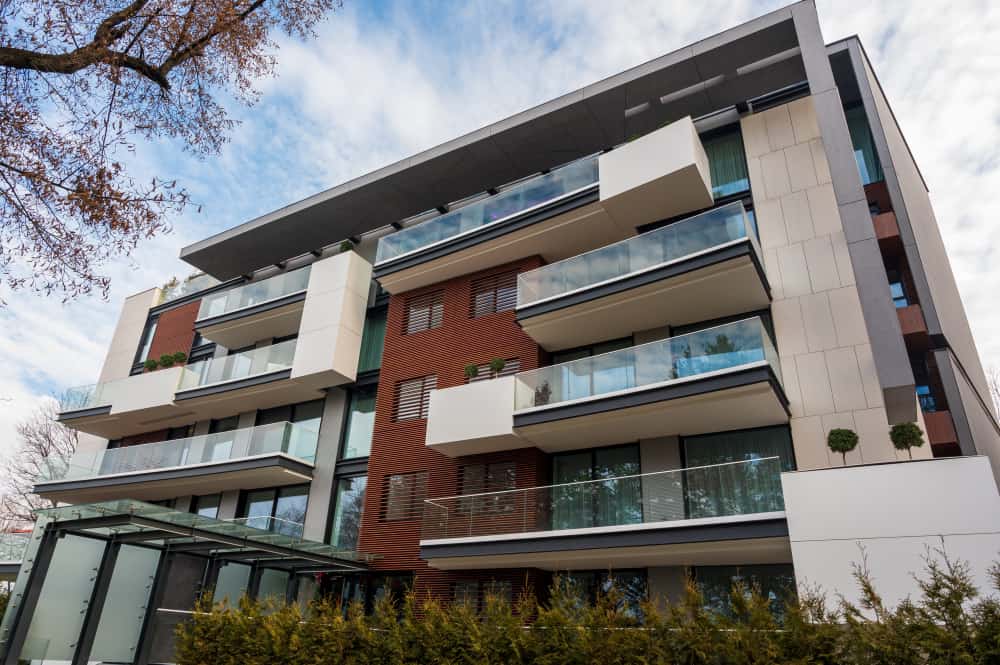

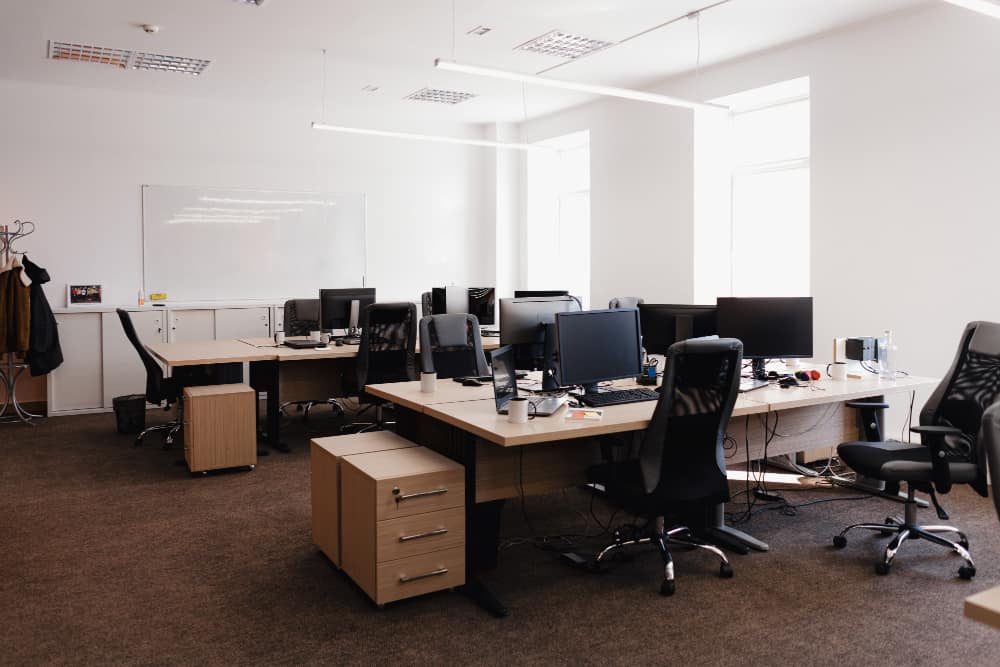
The specific combination of uses within a MUD can vary widely, depending on factors like location, target market, and overall development goals. However, some common elements include:
- Residential: Apartments, condominiums, townhomes, or single-family homes provide housing options for individuals and families.
- Commercial: Retail stores, restaurants, cafes, grocery stores, and other businesses cater to the shopping and dining needs of residents and visitors.
- Office: Office spaces accommodate businesses of various sizes, from startups to large corporations, creating employment opportunities and contributing to the local economy.
- Hospitality: Hotels, serviced apartments, and other lodging options provide accommodation for tourists and business travelers.
- Entertainment: Movie theaters, live music venues, bowling alleys, arcades, and other entertainment facilities offer leisure and recreational activities.
- Cultural: Museums, art galleries, libraries, and performance spaces enrich the cultural life of the community.
- Civic: Government offices, community centers, and public spaces serve the administrative and social needs of residents.
Integrating Uses: The Power of Synergy
The true power of mixed-use developments lies in the synergistic relationships between their various components. For example:
- Retail thrives on the foot traffic generated by residents and office workers, ensuring a steady stream of potential customers.
- Residents benefit from the convenience of having shops, restaurants, and services within walking distance of their homes.
- Office workers appreciate the proximity to amenities and the opportunity to socialize and network after work hours.
- Entertainment venues and cultural institutions attract visitors from outside the development, further boosting the local economy.
Different Types of Mixed-Use Developments
Mixed-use developments come in various forms and scales:
- Vertical Mixed-Use: These developments typically feature retail and commercial spaces on the ground floor, with residential or office space on the upper floors. This model maximizes land use and creates a vibrant street-level experience.
- Horizontal Mixed-Use: These projects spread out horizontally, often encompassing multiple buildings and blocks. They may include a combination of residential towers, office buildings, retail complexes, and public spaces.
- Neighborhood-Scale Mixed-Use: These developments encompass entire neighborhoods, creating self-sufficient communities with a full range of residential, commercial, and civic amenities.
- Transit-Oriented Development (TOD): These projects are built around transit hubs, such as train stations or bus terminals, to encourage the use of public transportation and reduce car dependency.
The Evolution of Mixed-Use Developments
The concept of mixed-use development is not new. In fact, many historic cities and towns were built with a mix of residential, commercial, and civic uses clustered together. However, the modern mixed-use movement gained momentum in the late 20th century as a response to suburban sprawl and the increasing isolation of residential, commercial, and industrial zones.
Today, mixed-use developments are recognized as a key strategy for creating sustainable, livable, and economically vibrant urban environments. They offer a model for how we can build cities that are not only functional but also enjoyable, connected, and inclusive.
The Future of Mixed-Use Development
The future of mixed-use development is bright. As urbanization continues and cities become more densely populated, the demand for well-designed, multi-functional spaces will only increase. Mixed-use developments offer a solution to many of the challenges facing cities today, such as traffic congestion, lack of affordable housing, and environmental degradation.
By embracing the concept of mixed-use development, we can create communities that are not only more livable but also more sustainable, equitable, and resilient.
The Benefits of Mixed-Use Developments
Mixed-use developments offer a multitude of benefits for various stakeholders:
For Residents:
- Convenience and Accessibility: Residents have easy access to a wide range of amenities and services within walking distance, reducing the need for car trips and promoting a healthier lifestyle.
- Sense of Community: Mixed-use developments foster a sense of community and belonging by bringing people together from different walks of life. The shared spaces and amenities encourage interaction and social connections.
- Enhanced Quality of Life: The proximity to shops, restaurants, entertainment venues, and other amenities creates a more vibrant and fulfilling lifestyle for residents.
For Businesses:
- Increased Foot Traffic and Sales: The diverse mix of uses generates a steady stream of potential customers throughout the day and evening, benefiting retail stores, restaurants, and other businesses.
- Talent Attraction and Retention: Mixed-use environments can attract and retain skilled workers who value the convenience and amenities offered by these communities.
- Collaborative Opportunities: Businesses within a mixed-use development can collaborate on marketing efforts, events, and cross-promotions, creating a mutually beneficial ecosystem.
For Cities:
- Economic Development: Mixed-use developments can revitalize underutilized areas, generate tax revenue, and create jobs, contributing to the economic growth of cities.
- Sustainable Development: By promoting walkability, reducing car dependency, and making efficient use of land and infrastructure, mixed-use developments contribute to sustainable urban development.
- Community Building: Mixed-use environments can foster a sense of community and belonging among residents, contributing to social cohesion and overall well-being.
The Future of Mixed-Use Developments: Pioneering a New Era in Urban Living
Mixed-use developments (MUDs) are not merely a trend; they are a paradigm shift in how we envision and create vibrant, sustainable, and community-focused urban spaces. As we look ahead, the future of MUDs is brimming with innovation, technological advancements, and a renewed focus on environmental and social responsibility.
Sustainability at the Forefront:
The future of mixed-use development will be inextricably linked to sustainability. As climate change and resource scarcity become increasingly pressing concerns, developers and investors are prioritizing eco-friendly practices and green building technologies.
- Net-Zero Energy Buildings: MUDs will increasingly incorporate renewable energy sources like solar panels and geothermal systems to offset their energy consumption.
- Water Conservation: Water-efficient fixtures, rainwater harvesting, and greywater recycling systems will be integrated to reduce water usage and minimize environmental impact.
- Green Spaces and Parks: Integrating green spaces, rooftop gardens, and urban farms into MUDs will not only enhance the aesthetic appeal but also improve air quality, reduce heat island effects, and promote biodiversity.
- Sustainable Transportation: Encouraging the use of public transportation, cycling, and walking through well-connected pedestrian and bike paths will be a key focus.
Smart Technology Integration:
The future of mixed-use developments will be “smart.” Integrating cutting-edge technologies will enhance convenience, efficiency, and sustainability.
- Internet of Things (IoT): IoT devices will be embedded throughout MUDs, collecting data on energy usage, occupancy, and traffic patterns to optimize building performance and resource management.
- Smart Parking: Automated parking systems, real-time occupancy tracking, and electric vehicle charging stations will make parking more efficient and user-friendly.
- Building Automation: Smart building systems will automatically adjust lighting, heating, and cooling based on occupancy and weather conditions, reducing energy consumption and costs.
- Smart Security: Advanced security systems, such as facial recognition, video analytics, and biometric access controls, will enhance safety and security for residents and businesses.
Community-Centric Design:
The future of MUDs will prioritize community building and social interaction. Developers will focus on creating spaces that encourage people to connect, collaborate, and share experiences.
- Community Hubs: Common areas like plazas, parks, and courtyards will be designed to foster social interaction and provide spaces for events, gatherings, and cultural activities.
- Co-Working Spaces: Flexible co-working spaces will cater to the growing number of remote workers and freelancers, providing opportunities for collaboration and networking.
- Maker Spaces and Workshops: Spaces dedicated to creativity, innovation, and learning will encourage residents to pursue their passions and connect with like-minded individuals.
- Public Art and Cultural Programming: Integrating public art installations and hosting cultural events will enrich the community and create a sense of place.
Adaptability and Resilience:
The future of mixed-use developments will be marked by adaptability and resilience. Buildings will be designed to accommodate changing needs and uses over time, ensuring their long-term viability.
- Modular Construction: Modular building techniques will allow for greater flexibility in design and construction, enabling developers to quickly adapt to changing market demands.
- Flexible Spaces: Spaces will be designed to be easily reconfigured to accommodate different uses, such as converting retail spaces into offices or vice versa.
- Disaster Preparedness: MUDs will incorporate features that enhance resilience to natural disasters, such as flood-resistant materials, backup power systems, and emergency shelters.
The Future is Here
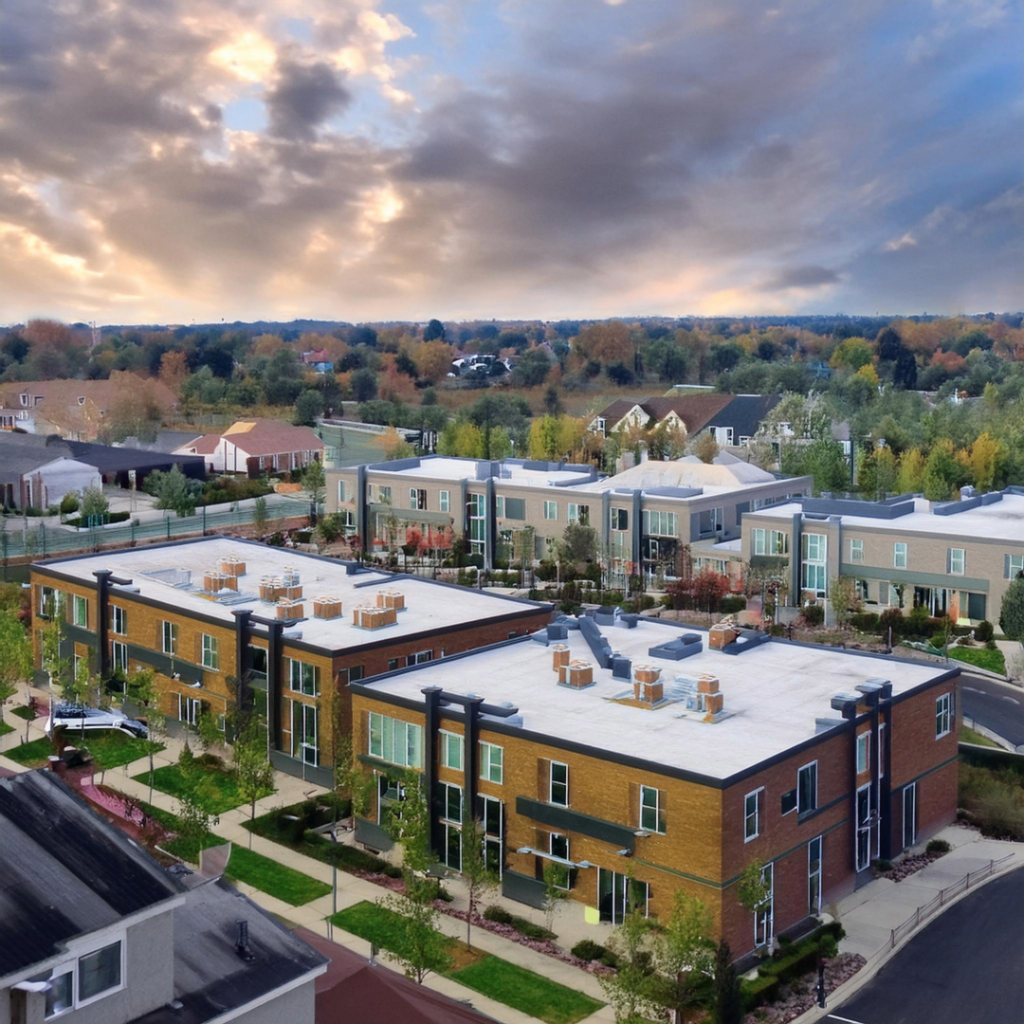
The future of mixed-use developments is already unfolding in cities around the world. From innovative projects that redefine urban living to ambitious plans to revitalize entire neighborhoods, MUDs are paving the way for a more sustainable, equitable, and community-focused urban future. As technology advances and our understanding of urban planning evolves, we can expect to see even more exciting and transformative developments in the realm of mixed-use real estate.
In Conclusion: Mixed-Use Developments – The Cornerstone of a Thriving Urban Future
Mixed-use developments are more than just a real estate trend; they are a fundamental reimagining of how we build and experience our cities. By seamlessly blending residential, commercial, office, and recreational spaces, MUDs offer a compelling vision for a more holistic and integrated approach to urban development.
This paradigm shift addresses the shortcomings of traditional single-use zoning, which often results in fragmented communities, long commutes, and a reliance on cars. Instead, mixed-use developments foster a sense of place, encourage walkability, and create vibrant hubs of activity where people can live, work, shop, and play in close proximity.
The benefits of mixed-use developments extend far beyond convenience and economic vitality. They create a ripple effect that touches every aspect of urban life:
- Enhanced Quality of Life: Residents enjoy a richer and more fulfilling lifestyle with easy access to amenities, cultural attractions, and employment opportunities.
- Stronger Communities: Shared spaces and common interests foster social connections and a sense of belonging among diverse groups of people.
- Sustainable Growth: By reducing car dependency, promoting public transportation, and utilizing space more efficiently, MUDs contribute to a more sustainable and environmentally friendly urban model.
- Economic Prosperity: The diverse mix of uses creates a robust economic ecosystem, attracting businesses, generating jobs, and increasing property values.
- Resilient Cities: Mixed-use developments are better equipped to withstand economic downturns and adapt to changing needs, ensuring their long-term viability.
As we look to the future, the role of mixed-use developments will only become more prominent. Urban populations continue to grow, and the demand for livable, connected, and sustainable communities is on the rise.
Mixed-use developments are uniquely positioned to meet these demands. They offer a model for how we can create cities that are not just functional but also inspiring, inclusive, and resilient. By embracing the principles of mixed-use development, we can build a brighter future for our cities and create thriving urban environments that enrich the lives of all who call them home.
The evidence is clear: mixed-use developments are not just a passing trend but a fundamental shift in the way we think about urban design and development. They represent a powerful tool for creating vibrant, sustainable, and equitable cities that cater to the diverse needs and aspirations of modern life. As we continue to grapple with the challenges of urbanization, mixed-use developments offer a beacon of hope, demonstrating that we can build cities that are not only more functional but also more beautiful, connected, and human.