Enclosed malls, once the crown jewels of retail, have seen their fortunes shift dramatically in recent decades. To understand the current challenges facing malls, it’s crucial to look back at their historical significance and the factors that contributed to their rise and fall.
Table of Contents

The Rise of the Enclosed Mall: A Revolution in Retail and Culture
Enclosed malls, a novel concept in the mid-20th century, revolutionized retail and became integral to suburban life. These sprawling, climate-controlled structures redefined the shopping experience, offering consumers a one-stop shop for diverse needs and desires.
A New Shopping Experience
Enclosed malls emerged as a response to several factors: the rise of suburbanization, the growth of car ownership, and a desire for a more comfortable and controlled shopping environment. Unlike traditional downtown shopping districts, malls offered ample parking, protection from the elements, and a carefully curated selection of stores.
- Convenience and Comfort: Malls provided a convenient and comfortable shopping experience. Shoppers could park their cars once and access a variety of stores without having to worry about weather conditions or navigating busy streets.
- Department Store Anchors: The presence of major department stores like Macy’s, Sears, and JCPenney served as anchor tenants, drawing large crowds and creating a sense of excitement and prestige.
- Diverse Retail Mix: Malls offered a wide range of stores catering to different budgets and tastes, from high-end fashion boutiques to affordable clothing chains, electronics stores, bookstores, and more.
- Entertainment and Dining: Malls incorporated entertainment options like movie theaters, arcades, and food courts, transforming them into destinations for leisure and recreation.
The Mall as a Social Hub


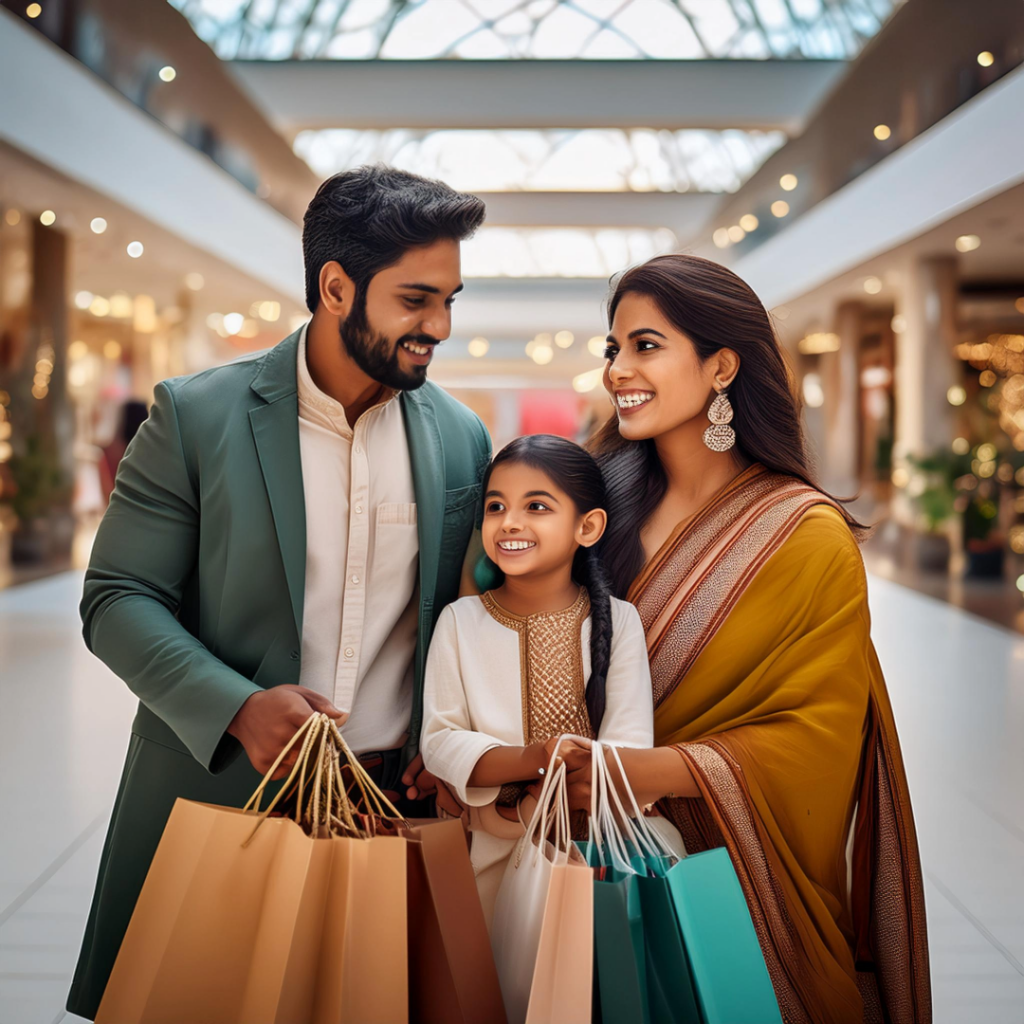
Enclosed malls quickly became more than just shopping destinations; they evolved into social hubs and community centers. They provided a space for people to gather, socialize, and participate in various activities.
- Teen Hangouts: Malls became popular hangouts for teenagers, who would spend hours browsing stores, eating at the food court, and socializing with friends.
- Family Outings: Families flocked to malls for weekend outings, enjoying shopping, dining, and entertainment options for all ages.
- Community Events: Malls often hosted community events, such as holiday celebrations, fashion shows, and concerts, further solidifying their role as social gathering spaces.
The Economic Impact of Malls
Enclosed malls had a significant economic impact, generating jobs, tax revenue, and economic activity in their surrounding communities. They also played a crucial role in the development of suburbs, attracting businesses and residents to these newly emerging areas.
The Golden Age and Beyond
The 1980s and 1990s marked the golden age of enclosed malls. New malls were popping up across the country, and existing malls were expanding to accommodate the growing demand. However, as the 21st century dawned, the mall landscape began to shift.
The rise of e-commerce and changing consumer preferences presented new challenges for malls. The convenience and variety offered by online shopping began to erode the mall’s dominance. Additionally, the decline of department stores, which had long served as anchor tenants, further weakened the mall model.
While enclosed malls still hold a place in the retail landscape, they are no longer the dominant force they once were. Many are adapting to the changing times by incorporating mixed-use elements, focusing on experiences, and attracting new types of tenants. The future of enclosed malls remains uncertain, but their historical significance and cultural impact are undeniable.
The Digital Disruption: E-commerce and the Evolution of Consumer Preferences

The rise of e-commerce and the accompanying shift in consumer preferences have been the primary catalysts for the decline of enclosed malls. While once thriving hubs of commerce and social activity, malls have struggled to adapt to the changing landscape of retail. Let’s delve deeper into how these factors have disrupted the traditional mall model.
The E-commerce Explosion:
The convenience and accessibility of online shopping have revolutionized the way consumers purchase goods and services. E-commerce giants like Amazon, with their vast product selections, competitive prices, and doorstep delivery, have made it easier than ever for shoppers to find what they need without setting foot in a physical store.
The Impact on Enclosed Malls:
The rise of e-commerce has directly impacted mall traffic and sales. As more consumers opt for online purchases, the foot traffic in malls has dwindled. This decline in traffic has hit mall retailers hard, particularly those offering products easily purchased online, such as clothing, electronics, and books.
The decline of department stores, which once served as anchor tenants and drew crowds to malls, has further exacerbated the problem. As these anchors close or reduce their footprint, smaller stores lose valuable foot traffic and struggle to survive.
Shifting Consumer Preferences:
In addition to the convenience of online shopping, consumer preferences have also evolved. Modern shoppers are increasingly seeking experiences, not just transactions. They crave unique and personalized interactions, curated product selections, and a sense of community – aspects that many traditional malls struggle to provide.
The Rise of Alternatives:
The emergence of alternative retail formats has further challenged the dominance of enclosed malls. Open-air lifestyle centers, with their emphasis on outdoor spaces, restaurants, and entertainment, offer a more relaxed and experiential shopping environment. Mixed-use developments, which combine retail with residential and office space, provide a convenient and walkable lifestyle that appeals to many urban dwellers.
The Mall’s Response:
While many malls have struggled to keep pace with these changes, some are adapting to the new reality. They are:
- Reimagining Tenant Mix: Malls are diversifying their tenant mix, incorporating more experiential retailers, entertainment venues, restaurants, and service providers to create a destination that goes beyond traditional shopping.
- Embracing Technology: Many malls are integrating technology to enhance the customer experience, such as mobile apps for wayfinding and promotions, interactive displays, and virtual reality experiences.
- Focusing on Local and Unique Retailers: Some malls are curating a selection of local and unique retailers that offer products and services not easily found online, differentiating themselves from the homogenized offerings of e-commerce giants.
The Road Ahead:
The future of enclosed malls remains uncertain. While some may successfully adapt and reinvent themselves, others may face continued decline and eventual closure. The key to survival lies in embracing innovation, understanding evolving consumer preferences, and creating unique experiences that cannot be replicated online.
The Challenges of the Digital Age: A Multifaceted Problem
The challenges facing enclosed malls are multifaceted and complex. In addition to e-commerce and changing consumer preferences, malls also face issues related to:
- Over-Saturation: In many regions, the number of malls exceeds the demand, leading to intense competition and financial difficulties for mall operators.
- Aging Infrastructure: Many malls were built decades ago and have not been updated to meet modern standards. Outdated interiors, insufficient parking, and a lack of modern amenities can deter shoppers.
- Financial Constraints: The high cost of operating and maintaining a mall, coupled with declining revenue, can make it difficult for owners to invest in renovations or attract new tenants.
The evolution of consumer preferences and the rise of e-commerce have necessitated a significant transformation of enclosed malls. To remain relevant, malls are shedding their traditional image and embracing innovative strategies to attract and retain customers.
- Mixed-Use Transformation:
One of the most prominent trends is the conversion of malls into mixed-use destinations. This involves incorporating a wider range of uses beyond retail, such as:
- Residential: Apartments, condominiums, or even townhouses are being integrated into mall properties, creating a live-work-play environment where residents can easily access shopping, dining, and entertainment options.
- Office Space: Co-working spaces, traditional offices, and even medical offices are finding homes in malls, attracting a daytime workforce and generating foot traffic during weekdays.
- Hospitality: Hotels, ranging from budget-friendly to luxury, are being added to malls, catering to travelers and offering a convenient base for exploring the surrounding area.
- Entertainment and Leisure: Malls are expanding their entertainment offerings beyond traditional movie theaters. They’re adding bowling alleys, arcades, trampoline parks, escape rooms, and even virtual reality experiences to attract a wider audience.
- Community Spaces: Many malls are creating dedicated community spaces, such as parks, plazas, and event venues, to host local events, festivals, and gatherings, fostering a sense of belonging and connection among residents.
- Experiential Retail:
Malls are increasingly focusing on creating unique and engaging experiences that cannot be replicated online. This includes:
- Pop-up Shops: Temporary retail spaces that offer exclusive products or services create a sense of novelty and urgency, drawing in shoppers who want to be part of the latest trends.
- Interactive Displays: Digital displays, touchscreens, and augmented reality experiences allow customers to interact with products in new and exciting ways.
- Events and Activations: Live music performances, art exhibitions, fashion shows, and workshops are just a few examples of how malls are using events to create a buzz and draw in crowds.
- Food and Beverage Innovation: Malls are expanding their culinary offerings beyond traditional food courts, featuring a wider variety of restaurants, cafes, and gourmet food halls that cater to diverse tastes and preferences.
- Rethinking the Tenant Mix:
Malls are diversifying their tenant mix to appeal to a wider audience. This includes:
- Local and Unique Retailers: Many malls are seeking out local businesses and independent retailers that offer unique products and services not easily found online.
- Service-Oriented Businesses: Malls are incorporating more service-oriented businesses, such as medical clinics, fitness centers, and spas, to cater to the growing demand for convenience and wellness.
- Entertainment and Leisure: As mentioned earlier, malls are expanding their entertainment options beyond traditional movie theaters to include a wider range of activities and experiences.
- Embracing Technology:
Technology is playing a crucial role in the reinvention of malls. Malls are utilizing:
- Mobile Apps: Mall apps offer features like wayfinding, store directories, promotions, and loyalty programs, enhancing the customer experience and providing valuable data insights for retailers and mall operators.
- Digital Signage: Dynamic digital signage displays can showcase promotions, events, and interactive content, creating a more engaging environment for shoppers.
- Omnichannel Integration: Malls are integrating their online and offline presence, allowing customers to browse products online and pick them up in-store or make purchases online and return them in-store.
The Road Ahead:
While the future of enclosed malls remains uncertain, it is clear that adaptation and innovation are key to their survival. By embracing change and catering to the evolving needs and preferences of consumers, malls can regain their relevance and continue to be vibrant destinations for shopping, dining, entertainment, and community engagement. The malls that succeed will be those that can transform themselves into truly mixed-use destinations that offer a unique blend of experiences, convenience, and community connection.