Strip centers, sometimes referred to as convenience centers or mini-malls, might not be the flashiest players in the retail real estate game, but they hold a unique and essential role in serving communities and businesses alike. Let’s take a closer look at what makes these linear collections of stores tick.
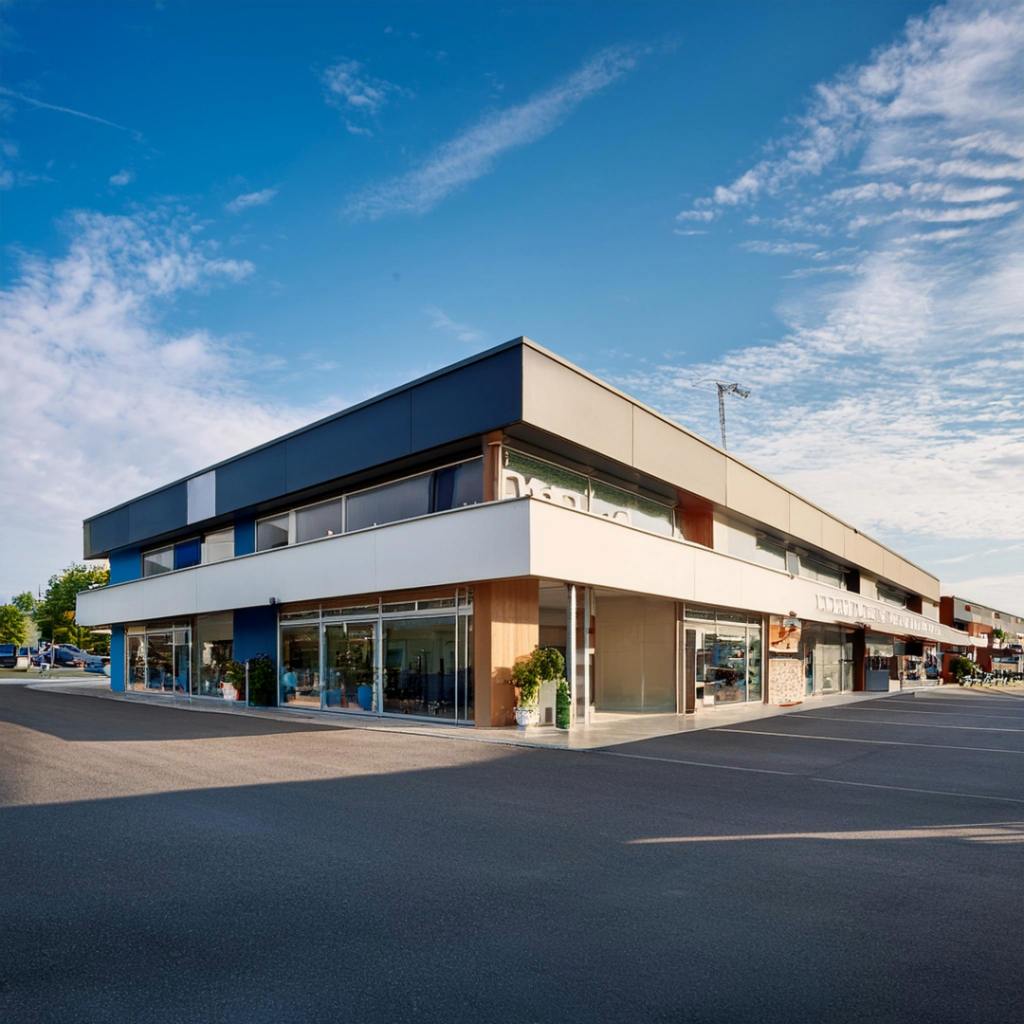
Table of Contents
What are Strip Centers?
Picture a row of stores lined up along a parking lot—that’s the classic strip center. They’re typically anchored by a major draw like a grocery store or pharmacy, with smaller businesses filling in the gaps. You’ll find everything from hair salons and dry cleaners to restaurants and pet stores. The design is straightforward and functional, prioritizing easy access and parking convenience over elaborate aesthetics.
The Convenience Factor: Why We Love Strip Centers
The Convenience Factor: Unpacking the Appeal of Strip Centers
Strip centers, with their unassuming architecture and linear layout, might not seem like the most glamorous retail destinations. However, their undeniable convenience and accessibility make them a beloved part of the shopping landscape. Here’s a breakdown of the factors that contribute to their enduring appeal:
1. Proximity & Accessibility: Your Neighborhood’s Shopping BFF
Strip centers are strategically located in the heart of neighborhoods or along well-traveled roads. This means they’re usually just a short drive, bike ride, or even a walk away for many residents. This proximity is a major selling point for busy individuals who need to quickly run errands or grab essentials without venturing too far from home or work.
Think about it: wouldn’t you rather swing by a nearby strip center to pick up groceries, drop off dry cleaning, and grab a quick lunch than navigate a sprawling mall or drive across town? The convenience factor alone can make strip centers a preferred choice for many consumers.
2. Parking Paradise: No More Parking Lot Drama
One of the most frustrating aspects of shopping can be finding a parking spot. But with strip centers, those woes are often a thing of the past. These centers typically boast ample parking directly in front of the stores, making it easy for customers to park and access their desired destinations without hassle.
This abundance of parking is particularly appealing for families with young children, elderly shoppers, or anyone who simply prefers a quick and easy in-and-out experience. No more circling endlessly for a spot or trekking across a massive parking lot!
3. A Little Bit of Everything: Variety in a Compact Package


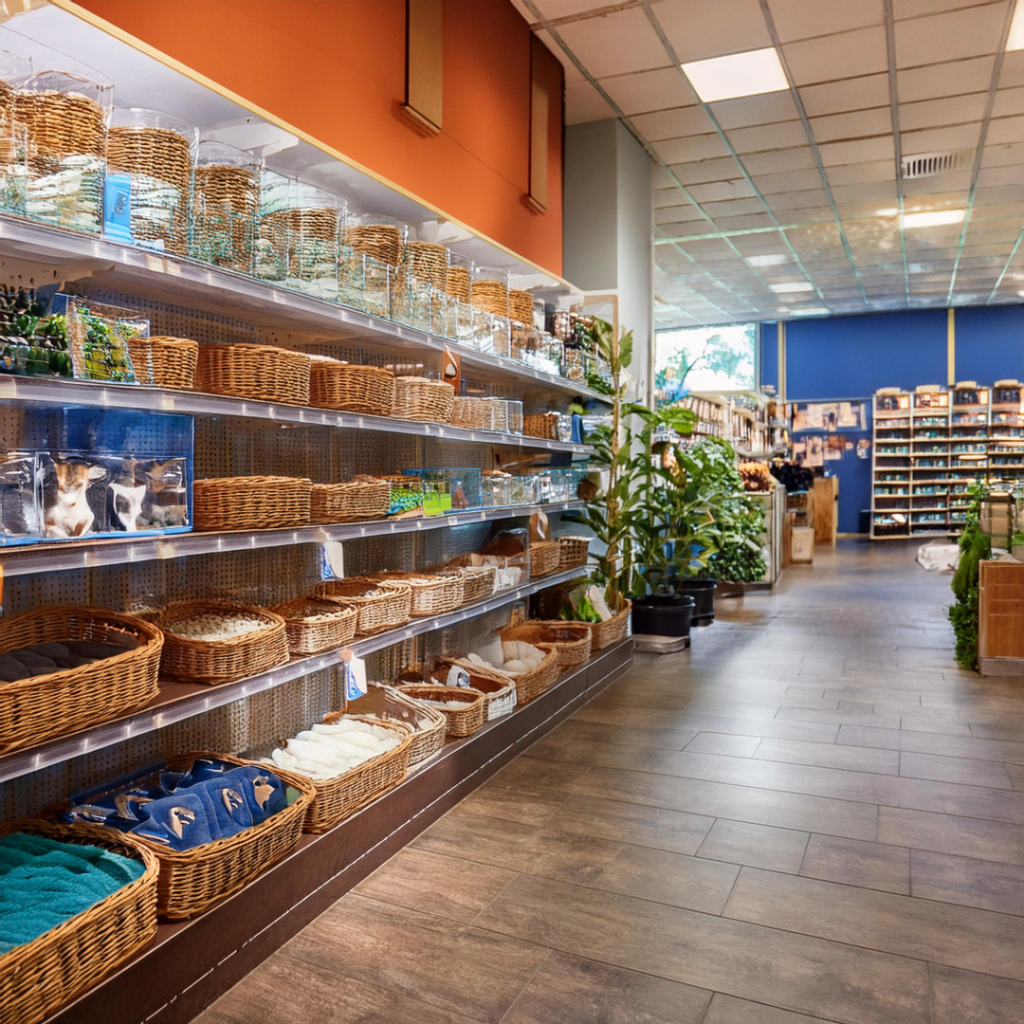
While strip centers may not offer the same breadth of options as a mega-mall, they still pack a surprising amount of variety into a relatively compact space. You can often find a grocery store, pharmacy, restaurants, coffee shops, salons, and various other service-oriented businesses all within a few steps of each other.
This diversity caters to a wide range of needs, making strip centers a one-stop shop for many errands and activities. Whether you need to pick up a prescription, grab a bite to eat, or get your nails done, chances are you can find everything you need at your local strip center.
4. Budget-Friendly Shopping: Affordable Options for All
Due to their simpler construction and less elaborate amenities, strip centers typically have lower operating costs than enclosed malls. This translates to lower rents for tenants, which can then be passed on to consumers in the form of lower prices.
This affordability factor is a major draw for budget-conscious shoppers who are looking for value without sacrificing convenience or quality. It also makes strip centers an attractive option for small businesses and startups that might not be able to afford the higher rents of larger shopping centers.
The Total Package: More Than Just Convenience

Strip centers offer more than just practical benefits; they also foster a sense of community and belonging. The smaller scale and local focus of these centers create a more intimate and personalized shopping experience. You’re more likely to run into familiar faces, chat with friendly store owners, and feel a connection to the businesses you frequent.
This community-oriented atmosphere is something that many shoppers value and actively seek out. It adds a personal touch to the shopping experience that can’t be replicated online or in larger, impersonal retail environments.
In conclusion, the convenience factor is a major driver of strip center popularity. Their proximity, ample parking, variety of stores, and affordable prices make them an attractive option for both consumers and businesses. By offering a convenient and community-oriented shopping experience, strip centers continue to thrive as valuable assets in the retail landscape.
Challenges of Strip Centers: Navigating the Ups and Downs

While strip centers offer undeniable convenience and affordability, they also encounter unique obstacles that require careful consideration and strategic solutions. Let’s explore these challenges in detail:
Competition Overload: The Battle for Customer Loyalty
One of the most significant challenges facing strip centers is the intense competition among similar businesses. It’s not uncommon to find multiple restaurants, salons, or service providers vying for the same customers within a single strip center. This can create a cutthroat environment where businesses must constantly differentiate themselves to stand out from the crowd.
To thrive in this competitive landscape, businesses need to focus on:
- Unique Selling Propositions (USPs): Clearly define what sets your business apart from the competition. Is it your unique products, exceptional customer service, or specialized expertise?
- Targeted Marketing: Develop targeted marketing campaigns that reach the specific demographics most likely to be interested in your products or services.
- Loyalty Programs: Implement loyalty programs or special offers to incentivize repeat business and build a loyal customer base.
- Collaboration: Partner with other businesses in the strip center to cross-promote and attract a wider range of customers.
Foot Traffic Fluctuations: The Quest for Consistent Customers
While strip centers are convenient for errands, they may not always attract the same level of foot traffic as larger shopping centers or malls. This can be particularly challenging for businesses that rely on impulse purchases or seek to reach a broader audience.
To combat this challenge, businesses can:
- Invest in Visibility: Make sure your storefront is eye-catching and inviting, with clear signage and attractive displays.
- Offer Online Ordering or Delivery: Expand your reach beyond the physical location by offering online ordering, delivery, or curbside pickup options.
- Host Events and Promotions: Organize special events, promotions, or sales to generate excitement and draw in new customers.
- Leverage Social Media: Utilize social media platforms to connect with potential customers, share updates, and promote your business.
Curb Appeal Quandary: The Need for Aesthetic Enhancement
While functionality is a priority for strip centers, aesthetics shouldn’t be neglected. Outdated facades, worn-out signage, and lackluster landscaping can create a negative impression and deter potential customers.
To improve curb appeal, property owners can:
- Modernize Facades: Update building exteriors with fresh paint, new signage, and modern architectural elements.
- Landscaping and Lighting: Invest in landscaping, lighting, and other features that create a welcoming and visually appealing environment.
- Maintenance and Upkeep: Regularly maintain and repair common areas to ensure a clean and well-kept appearance.
Weather Woes: Adapting to the Elements
Since most strip centers are open-air, they are susceptible to weather conditions. Extreme heat, cold, or rain can discourage shoppers and impact sales, especially for businesses that rely on outdoor seating or foot traffic.
To mitigate weather-related challenges, businesses can:
- Offer Weather-Dependent Promotions: Create special offers or promotions that entice customers to visit even during inclement weather.
- Utilize Covered Walkways or Awnings: Provide covered walkways or awnings to protect shoppers from the elements.
- Consider Seasonal Adjustments: Adapt your business model or product offerings to cater to different seasons and weather patterns.
By proactively addressing these challenges, strip center businesses and property owners can ensure continued success and growth in this dynamic retail landscape.
Strip Centers: A Glimpse into the Future of Convenience Retail
While strip centers have a long-established presence in the retail world, they’re not resting on their laurels. Instead, they’re actively adapting and innovating to stay relevant in the face of evolving consumer preferences and the ever-growing influence of e-commerce. Here’s a look at some key trends shaping the future of strip centers:
Experiential Enhancements: More Than Just Shopping
Strip centers are embracing the experiential retail trend, recognizing that today’s consumers crave more than just a transactional shopping experience. They’re transforming their spaces into destinations that offer a variety of engaging activities and opportunities for social interaction.
- Outdoor Oasis: Many strip centers are adding inviting outdoor spaces with seating areas, landscaping, and even public art installations. These areas create a welcoming atmosphere for shoppers to relax, socialize, and enjoy the outdoors while still being close to their favorite stores.
- Community Hubs: Some centers are hosting regular events like farmers markets, live music performances, fitness classes, or outdoor movie nights. These events not only attract customers but also foster a sense of community and belonging.
- Pop-Up Shops: Pop-up shops, offering unique and limited-time products or experiences, are a popular way to inject novelty and excitement into a strip center. They can attract new customers and create a buzz around the center.
Service-Centric Shift: Catering to Convenience and Lifestyle
As online shopping continues to dominate product sales, strip centers are increasingly focusing on service-oriented businesses that cannot be easily replicated online. These include:
- Health and Wellness: Medical clinics, dental offices, fitness studios, and wellness centers are becoming common fixtures in strip centers. They cater to the growing demand for health-conscious services and provide convenient access to healthcare providers.
- Personal Care: Salons, spas, barbershops, and nail salons offer essential services that people still prefer to receive in person. These businesses thrive in strip centers due to their accessible locations and ample parking.
- Professional Services: Legal offices, financial advisors, real estate agents, and other professionals are also finding strip centers to be a convenient and affordable location to set up shop.
The Curated Tenant Mix: Crafting a Complementary Collection
Strip center owners and managers are becoming more intentional about crafting a carefully curated tenant mix. They’re looking for businesses that complement each other and create a synergistic environment where customers can fulfill multiple needs in one trip.
This might include pairing a grocery store with a pharmacy, a coffee shop, and a dry cleaner, or combining a fitness studio with a health food store and a chiropractic clinic. The goal is to create a destination that offers a convenient and well-rounded experience for shoppers.
Embracing Technology: Enhancing Convenience and Connection
Strip centers are also leveraging technology to enhance the customer experience and stay competitive. This includes:
- Mobile Apps: Many centers are developing mobile apps that offer wayfinding, store directories, special offers, and even loyalty programs. These apps help customers navigate the center, discover new stores, and stay informed about upcoming events.
- Digital Signage: Digital signage throughout the center can provide real-time updates on store hours, promotions, and events. It can also be used to display interactive content or advertise local businesses.
- Online Ordering and Delivery: Strip center businesses are increasingly offering online ordering and delivery options to cater to customers who prefer the convenience of shopping from home.
By embracing these trends, strip centers are positioning themselves for continued success in the ever-changing retail landscape. They are transforming from mere shopping destinations into vibrant community hubs that offer a diverse range of experiences, services, and conveniences.
The Future is Bright
The future of strip centers looks bright for those who are willing to adapt and innovate. By embracing experiential retail, focusing on service-oriented businesses, curating a complementary tenant mix, and leveraging technology, strip centers can continue to thrive as valuable assets in the retail real estate market. They will remain an integral part of our communities, providing convenient and accessible shopping experiences for years to come.

Investing in Strip Centers: A Stable Bet
For real estate investors, strip centers can be a smart choice. Their steady demand, lower risk profile, and potential for stable income make them an attractive addition to a diversified portfolio.
In conclusion, strip centers are the unsung heroes of retail, offering convenient and affordable shopping options for communities. While they face unique challenges, they continue to evolve and adapt, proving their staying power in an ever-changing retail landscape.