In the vast cosmos of commercial real estate (CRE), freestanding retail properties shine brightly as individual stars, distinct from the constellations of shopping centers and malls. These single-tenant buildings, housing businesses like your favorite coffee shop, local bank branch, or quick-service restaurant, offer a unique set of advantages and challenges for both retailers and investors. Let’s explore the ins and outs of freestanding retail.
Table of Contents
What is Freestanding Retail?
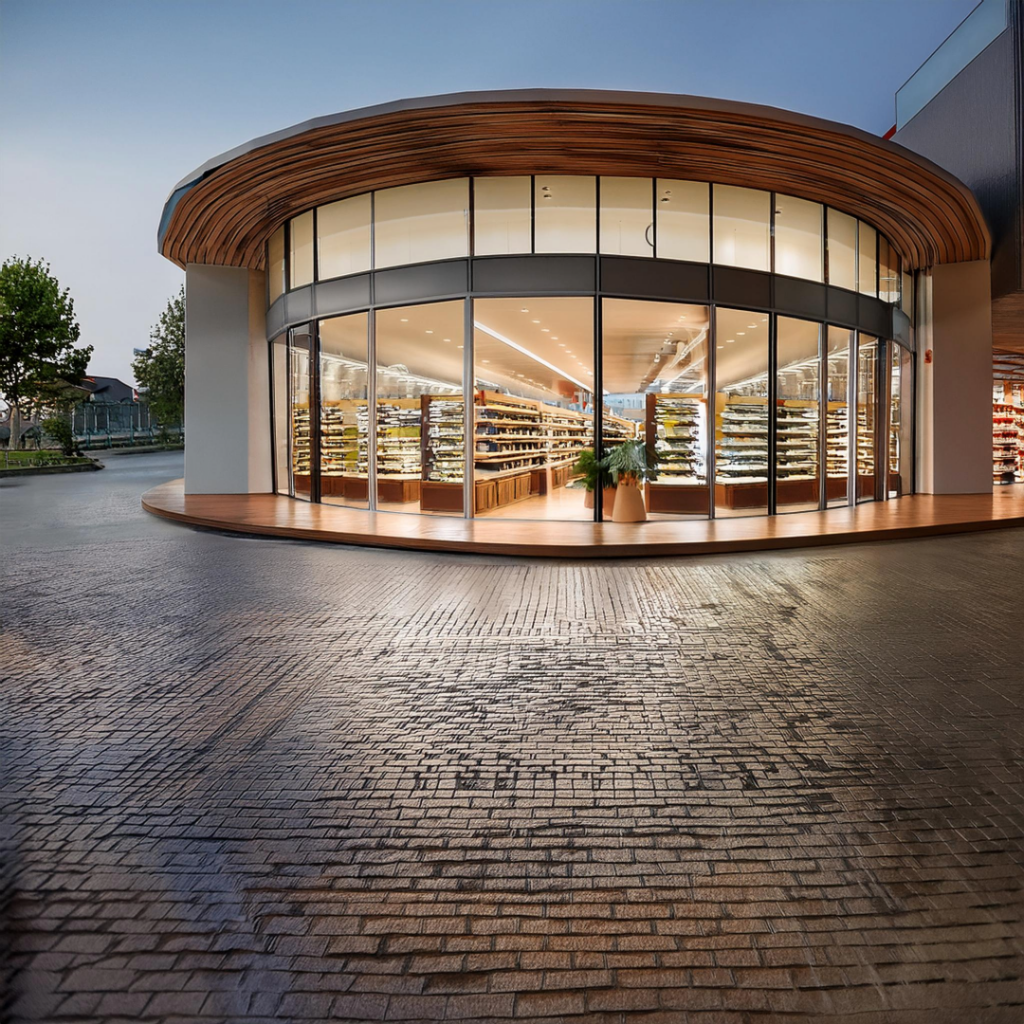
Think of your local pharmacy, the gas station on the corner, or the fast-food drive-through you frequent. These are all examples of freestanding retail—buildings occupied by a single business. They’re found in diverse locations, from bustling urban streets to quiet suburban corners.
The Perks of Going Solo
The Perks of Going Solo: A Deep Dive into Freestanding Retail Advantages
Freestanding retail offers a unique set of benefits that can be highly attractive to businesses of all sizes. Let’s explore these advantages in detail:

- Prime Visibility & Branding Powerhouse:
Location is king in retail, and freestanding stores often reign supreme. They frequently occupy prime spots along busy roads, major intersections, or high-traffic areas. This exceptional visibility ensures your brand is seen by a vast number of potential customers every day.
Think of it like this: your store becomes a billboard, showcasing your logo, colors, and overall aesthetic to a captive audience. With creative architecture and eye-catching signage, you can transform your building into a landmark that people recognize and remember. This brand exposure is invaluable for establishing your presence in the market and attracting new customers.
- Easy In, Easy Out: The Convenience Factor:
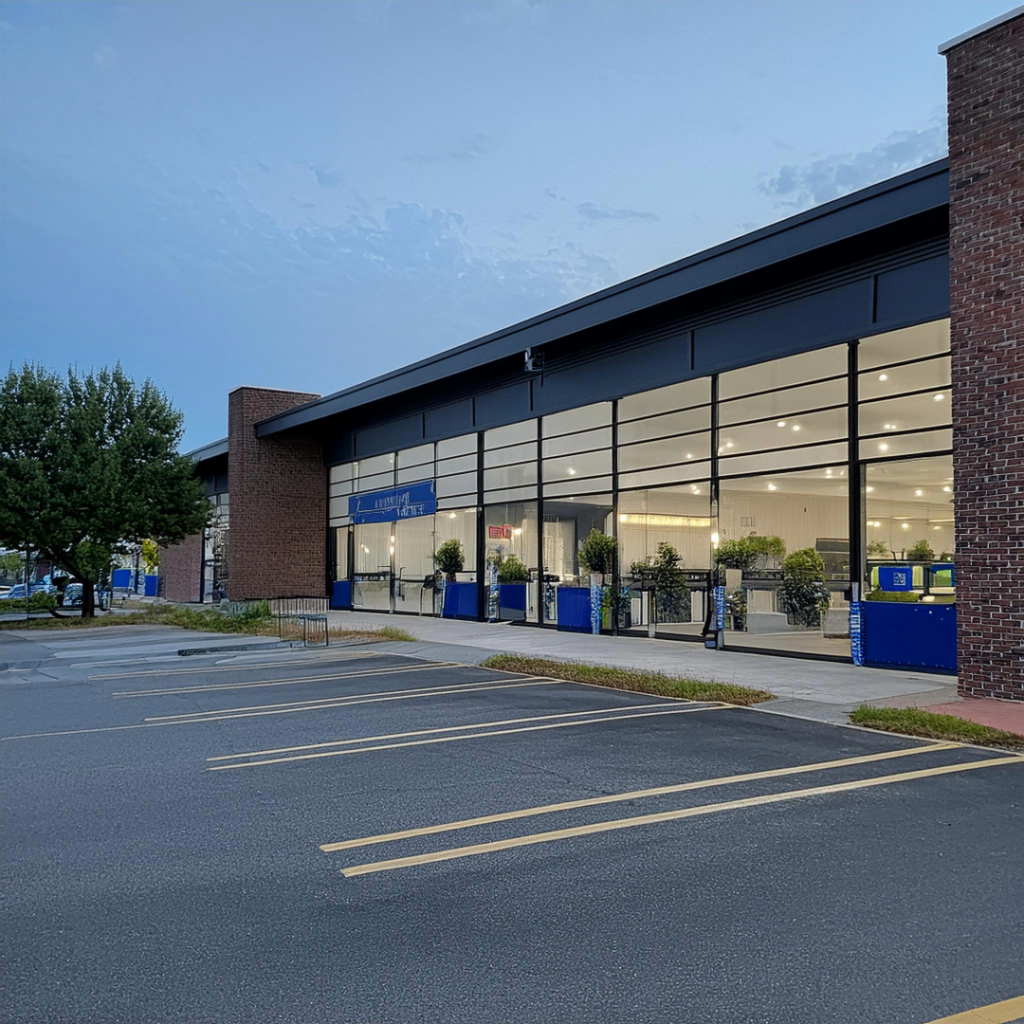
Convenience is a major driver of consumer behavior, and freestanding retail excels in this area. Ample parking, straightforward access, and a dedicated entrance make it a breeze for customers to visit your store. They can quickly park, grab what they need, and be on their way, making it ideal for busy shoppers seeking efficiency.
This convenience factor is particularly appealing for businesses offering everyday essentials or quick-service options. Whether it’s a coffee run, a pharmacy refill, or a fast-food lunch, customers appreciate the ease and speed of visiting a freestanding retailer.
- A Blank Canvas: Unmatched Flexibility and Control:
In a freestanding retail building, you’re not just a tenant; you’re the master of your domain. You have complete control over the design, layout, and overall look and feel of your space. This allows you to create a shopping environment that perfectly aligns with your brand identity and target audience.
Want to showcase your products in a specific way? No problem. Need to adjust the layout for a seasonal promotion? Go for it! You have the freedom to experiment and create a unique experience that sets your store apart from the competition. This level of control is simply not possible in a shared shopping center environment.
- Local Dominance: Minimizing Competition:
While shopping centers offer variety, they also bring a certain level of competition. In a freestanding location, you’re less likely to have direct competitors right next door. This allows you to establish yourself as the go-to destination for your specific products or services in the area.
Imagine a bustling suburban neighborhood with only one pharmacy. That pharmacy is likely to capture a significant share of the local market simply by being the most convenient option. This reduced competition can be a significant advantage for businesses looking to build a loyal customer base and establish market dominance.
In conclusion, freestanding retail offers unique advantages that can be leveraged for significant business success. While challenges exist, the potential for brand building, customer convenience, and market dominance makes it an attractive option for many retailers.
The Challenges of Independence: Navigating the Hurdles of Freestanding Retail
While freestanding retail offers numerous advantages, it also presents a unique set of challenges that retailers must address to thrive in this competitive landscape. Let’s delve into these obstacles:
- Foot Traffic Famine: The Struggle for Visibility

Unlike shopping centers that attract a steady stream of shoppers seeking diverse options, freestanding retailers often struggle to lure customers to their isolated locations. The absence of a built-in customer base means they have to work harder to generate foot traffic and awareness.
This can be particularly challenging for smaller businesses with limited marketing budgets. They need to develop creative strategies to attract customers, such as targeted advertising, social media campaigns, loyalty programs, and community engagement initiatives.
- Marketing Muscle: The Need for Amplified Promotion
In the absence of a shopping center’s collective marketing efforts, freestanding retailers must take charge of their own promotions. This requires a more robust marketing strategy that encompasses various channels, both online and offline.
This can be a significant investment for smaller businesses, requiring them to allocate resources to advertising, social media, public relations, and other promotional activities. They must also stay abreast of the latest marketing trends and technologies to effectively reach their target audience.
- Operational Overheads: The Financial Burden
Unlike tenants in shopping centers who share common area maintenance costs, freestanding retailers are solely responsible for all operational expenses associated with their building. This includes maintenance, repairs, utilities, property taxes, insurance, and other overhead costs.
These expenses can quickly add up, especially for smaller businesses with limited cash flow. Retailers must carefully manage their finances and budget for these ongoing costs to ensure their financial stability and long-term viability.
- Location Lottery: The Risk of Choosing Wrong

The success or failure of a freestanding retailer often hinges on its location. Choosing the right site is crucial, as it directly impacts visibility, accessibility, and customer traffic. A poor location can quickly lead to low sales, financial difficulties, and ultimately, business closure.
Retailers must conduct thorough market research to identify suitable locations with the right demographics, traffic patterns, and zoning regulations. They must also consider factors like competition, accessibility, and visibility when making their decision.
Overcoming the Challenges: Strategies for Success
Despite these challenges, many freestanding retailers thrive by implementing effective strategies. Some key approaches include:
- Creative Marketing: Developing innovative and targeted marketing campaigns to attract and retain customers.
- Strong Branding: Building a strong brand identity that resonates with the target audience and differentiates the business from competitors.
- Exceptional Customer Service: Providing outstanding customer service to create a loyal following and encourage repeat business.
- Community Engagement: Participating in local events and initiatives to build relationships with the community and foster goodwill.
- Strategic Partnerships: Collaborating with other businesses or organizations to cross-promote and reach a wider audience.
By acknowledging and addressing the challenges inherent in freestanding retail, businesses can successfully navigate this landscape and achieve long-term success.
A Strategic Choice: The Perfect Fit for Freestanding Retail
While freestanding retail isn’t the ideal model for every business, it can be a strategic powerhouse for certain types of retailers. Let’s explore who might find the greatest success in this standalone setting:
Big Brands with Big Plans:
- Established Chains: Well-known brands with a loyal customer base and strong brand recognition can leverage freestanding stores to expand their reach and reinforce their market presence. These stores act as beacons, drawing in customers who already trust and prefer the brand.
- Destination Retailers: Businesses offering unique products, services, or experiences that attract customers from afar can benefit from freestanding locations. Think of flagship stores, specialty shops, or entertainment venues that become destinations in themselves.
Smaller Businesses with Niche Appeal:
- Local Favorites: Locally-owned businesses with a strong following in the community can thrive in freestanding locations. These stores often become neighborhood staples, relying on word-of-mouth marketing and loyal patronage.
- Specialty Stores: Retailers offering niche products or services that cater to specific interests or demographics can carve out a niche in a freestanding setting. Think of hobby shops, vintage clothing stores, or artisanal food markets that attract a dedicated clientele.
- Service Providers: Businesses that offer essential services like pharmacies, medical clinics, or auto repair shops can benefit from the convenience and accessibility of freestanding locations.
Businesses Seeking Control and Flexibility:
- Brand-Focused Retailers: Retailers who prioritize a specific brand image and customer experience can benefit from the control and customization offered by freestanding stores. They can design the space, layout, and overall atmosphere to perfectly reflect their brand identity.
- Growth-Oriented Businesses: Retailers with ambitious growth plans may find that freestanding stores offer greater flexibility for expansion and adaptation. They can easily add new locations or modify existing ones to meet changing market demands.