Community centers have evolved into more than just shopping destinations; they’re the vibrant hubs where suburban life thrives. Offering a mix of retail, dining, and services, these centers have become essential gathering places for local residents. Let’s delve into what makes community centers tick and why they’re an attractive option for both businesses and investors.
Table of Contents
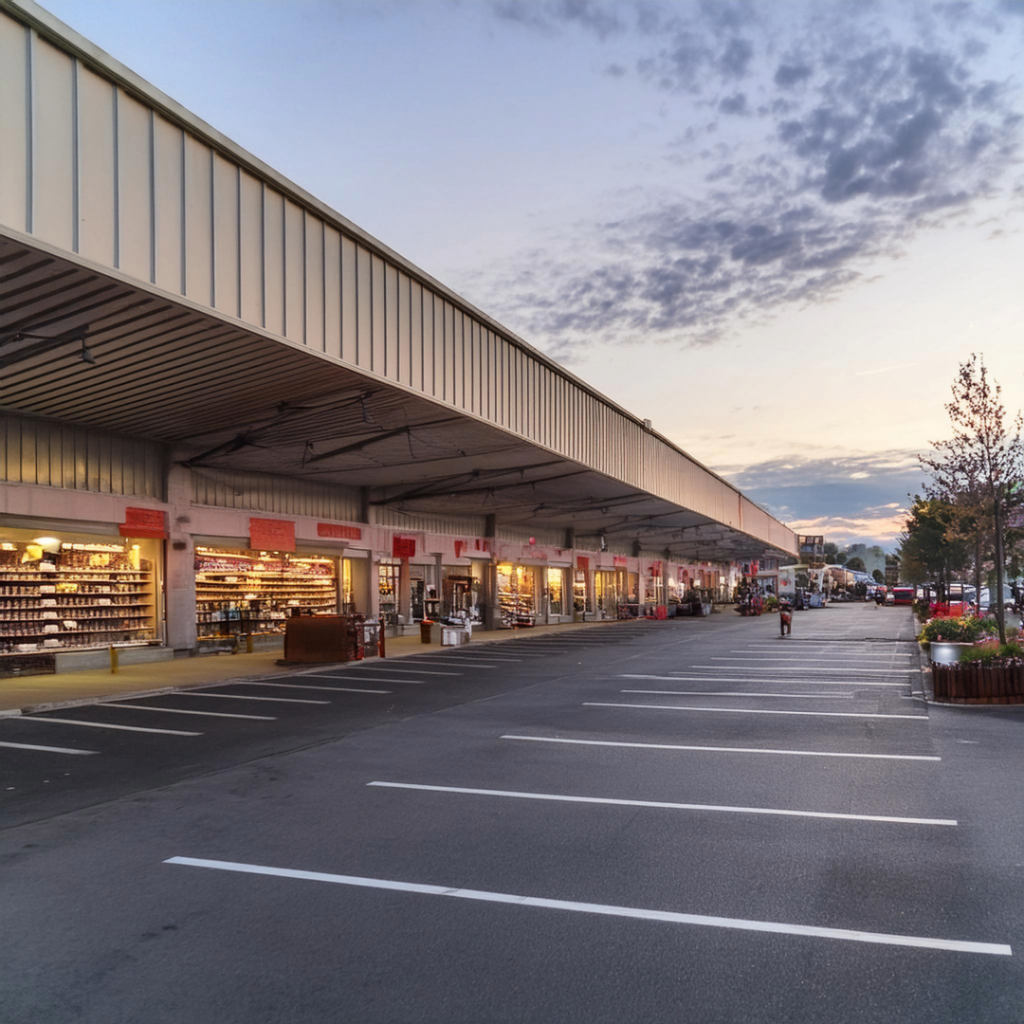
What Sets Community Centers Apart : A Closer Look at Key Differentiators
Community centers occupy a unique niche in the retail landscape, offering a blend of convenience, variety, and community engagement that distinguishes them from smaller strip centers and larger enclosed malls. Here’s a breakdown of the key factors that make community centers stand out:
- Scale and Scope: Bigger and Better
One of the most noticeable differences between community centers and strip centers is their size. Community centers boast significantly larger footprints, often encompassing multiple buildings and sprawling parking lots. This expanded scale allows them to accommodate a wider range of tenants, from big-box anchor stores to smaller shops, restaurants, and service providers.
The larger size also translates to a broader selection of goods and services, catering to diverse consumer needs and preferences. Shoppers can find everything from groceries and apparel to electronics, home goods, and personal care items, all in one convenient location.
- Design and Aesthetics: Creating an Inviting Atmosphere
Community centers prioritize aesthetics and design, aiming to create an inviting and visually appealing environment for shoppers. They often feature a mix of architectural styles, landscaping elements, and public art installations that enhance the overall shopping experience.
Open-air walkways and plazas encourage strolling and socializing, while enclosed sections provide shelter from the elements. The use of natural materials, water features, and greenery can further enhance the ambiance, creating a sense of place and community.
- Beyond Retail: A Multi-Faceted Destination
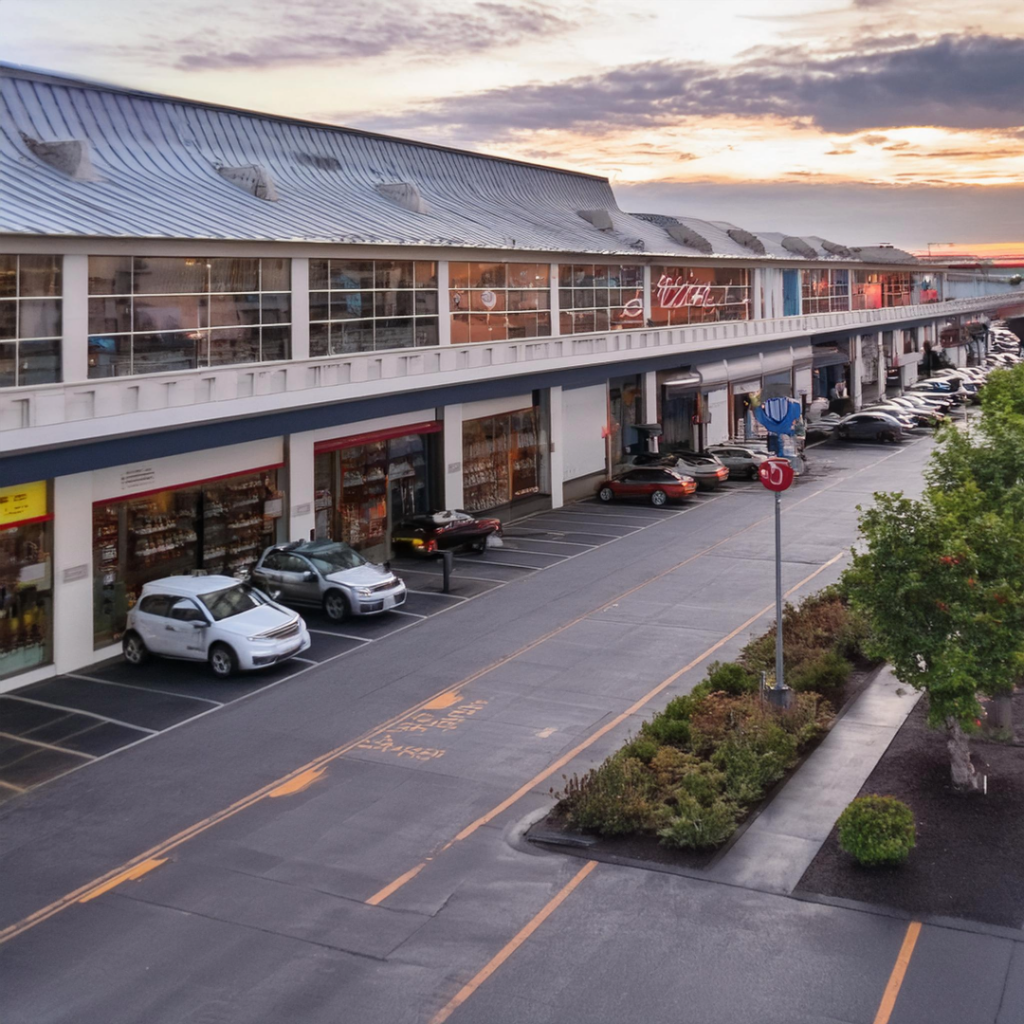
Unlike traditional shopping centers that focus solely on retail, community centers embrace a multi-faceted approach. They incorporate a variety of non-retail components that enhance the overall appeal and functionality of the space.
- Dining and Entertainment: Community centers often house a diverse selection of restaurants, cafes, and entertainment venues, such as movie theaters, bowling alleys, or even live music venues. This creates a destination where people can shop, dine, and entertain themselves all in one place.
- Services and Amenities: Many community centers offer a range of services, such as medical clinics, fitness centers, salons, and spas. These amenities cater to the everyday needs of local residents and make the center a convenient hub for various activities.
- Community Spaces: Some community centers feature dedicated spaces for community events, gatherings, and activities. These spaces might include outdoor plazas, amphitheaters, or indoor event halls. They serve as a gathering place for local residents, fostering a sense of community and belonging.
- Anchored by Big-Box Retailers: Driving Traffic and Attraction
One of the defining characteristics of community centers is the presence of one or more big-box anchor stores. These large retailers, such as Target, Walmart, or major grocery chains, serve as powerful magnets, drawing in significant foot traffic and creating a halo effect for smaller businesses within the center.
The anchor stores act as a reliable source of customers, ensuring a steady flow of shoppers throughout the day and week. This benefits the smaller tenants who can capitalize on the increased visibility and exposure generated by the anchors.
In conclusion, community centers stand out from other retail formats due to their larger size, diverse tenant mix, focus on design and aesthetics, incorporation of non-retail components, and the presence of anchor stores. These factors combine to create a unique and appealing destination that caters to the multifaceted needs of modern consumers.
The Perks of Being Part of a Community Center

- Diverse Draw: The variety of stores and services caters to a broad range of needs, attracting a larger and more diverse customer base than smaller retail centers. This means greater exposure and potential for increased sales for individual businesses.
- Foot Traffic Magnet: Anchor stores act as powerful magnets, drawing in a steady stream of shoppers. Smaller businesses benefit from this “halo effect,” enjoying increased visibility and potential impulse purchases.
- The Experience Factor: The amenities and events offered by community centers make them more than just places to shop. They become social hubs where people gather, creating a sense of community and belonging.
- Business Boost: A carefully curated tenant mix can create synergy. For example, a clothing store might benefit from being located near a shoe store or salon, as customers naturally flow between complementary businesses.
The Flip Side: Challenges of Community Centers
- Rent Realities: Larger spaces and prime locations mean higher rents. This can be a barrier for smaller businesses with tighter budgets.
- Competitive Landscape: While the diverse tenant mix is generally a strength, it can also lead to increased competition within specific categories.
- Management Matters: The size and complexity of community centers require experienced property management to ensure smooth operations and maintain the center’s appeal.
- Economic Sensitivity: As community centers often rely on discretionary spending, they can be vulnerable during economic downturns when consumers tighten their belts.
Investing in Community Centers: A Strategic Move for Long-Term Value

Community centers have emerged as attractive investment options in the commercial real estate market due to their unique blend of stability and growth potential. Let’s explore why they appeal to investors and the key factors to consider when evaluating such opportunities:
The Appeal of Community Centers for Investors
- Strong and Diverse Income Stream: The presence of anchor tenants, typically national or regional chains with established brands, provides a reliable and predictable source of rental income. The diverse mix of smaller shops, restaurants, and service providers further diversifies the income stream, reducing reliance on any single tenant and minimizing the risk of vacancy.
- Resilience in Economic Cycles: While community centers are not immune to economic downturns, they tend to be more resilient than other retail formats. Their focus on essential goods and services, such as groceries and healthcare, provides a degree of stability during challenging economic times.
- Appreciation Potential: Community centers often occupy prime locations in growing suburbs or urban areas, making them attractive for long-term appreciation. As the surrounding area develops and population density increases, the value of the property can rise significantly.
- Redevelopment Opportunities: Some older community centers may present opportunities for redevelopment or repositioning. This could involve updating the existing structures, adding new amenities, or even converting the property to a mixed-use development that incorporates residential or office space.
Key Considerations for Investing in Community Centers
- Market Analysis: Thoroughly research the local market to understand demographics, consumer preferences, and competition. Identify areas with strong growth potential and a need for additional retail and services.
- Tenant Mix: Carefully evaluate the existing tenant mix and its alignment with the local market. Look for a diverse range of tenants that cater to various needs and interests, ensuring a balanced and complementary mix that attracts a wide range of shoppers.
- Lease Terms and Structures: Review the lease terms and structures of each tenant, paying attention to rent escalations, renewal options, and any potential risks associated with specific lease agreements.
- Property Management: Assess the quality of the property management team, as they play a crucial role in maintaining the center’s appeal, attracting and retaining tenants, and ensuring a smooth operation.
- Financial Performance: Analyze the center’s historical financial performance, including occupancy rates, rental income, operating expenses, and net operating income. This will help you assess the property’s profitability and potential for future growth.
- Capital Improvements: Consider any necessary capital improvements or renovations that may be required to update the property and enhance its attractiveness to tenants and shoppers.
Community Centers: A Strategic Investment Choice
Investing in community centers can be a strategic move for investors seeking a stable income stream, long-term growth potential, and the opportunity to contribute to the vibrancy of local communities. By conducting thorough due diligence, selecting properties with a strong track record and strategic location, and working with experienced property management teams, investors can capitalize on the numerous advantages offered by this dynamic segment of the retail real estate market.
The Future of Community Centers : Adapting, Evolving, and Thriving

Community centers are not immune to the winds of change sweeping through the retail landscape. However, their inherent adaptability and strong community ties position them well for continued relevance and success in the future. Let’s explore some of the key trends shaping the evolution of community centers:
- Embracing Experiential Retail: Beyond Transactions
Like other retail formats, community centers are recognizing the importance of experiential retail. They are transforming themselves into destinations that offer more than just shopping.
- Unique Experiences: They’re incorporating attractions like art installations, interactive displays, and pop-up shops to create memorable experiences for visitors.
- Events and Activities: Hosting community events, farmers markets, live music performances, and cultural festivals is becoming a common practice to foster community engagement and create a sense of place.
- Food and Beverage Focus: Many community centers are expanding their dining options, offering diverse cuisines, outdoor seating, and even food halls that cater to a variety of tastes.
- Mixed-Use Integration: Building Complete Communities
Community centers are increasingly becoming part of larger mixed-use developments that incorporate residential, office, and even hotel components. This creates a synergistic environment where residents, workers, and visitors can live, work, shop, and play in close proximity.
The integration of diverse uses can enhance the appeal of a community center by providing a built-in customer base for retailers and service providers. It also creates a more vibrant and active environment throughout the day and evening.
- Technology Integration: Enhancing Convenience and Connection
Technology is playing an increasingly important role in community centers. From mobile apps that offer wayfinding and promotions to digital signage that displays real-time information, technology is being used to enhance the customer experience and streamline operations.
Some community centers are even experimenting with augmented reality (AR) and virtual reality (VR) technologies to create interactive shopping experiences and virtual events.
- Focus on Health and Wellness: Catering to Evolving Lifestyles
With a growing emphasis on health and wellness, community centers are incorporating more health-focused businesses and amenities. This includes fitness centers, yoga studios, health food stores, and medical clinics. These offerings cater to the increasing demand for convenient access to health-related services and products.
- Sustainability and Green Initiatives: Building a Greener Future
Sustainability is becoming a top priority for community centers. Many are adopting eco-friendly practices, such as installing solar panels, using energy-efficient lighting, and implementing water conservation measures. Some centers are also pursuing green building certifications to demonstrate their commitment to environmental responsibility.
- Adapting to Changing Demographics: Catering to Diverse Needs
As demographics shift, community centers are adapting to cater to the needs of diverse populations. This includes providing culturally relevant programming, offering multilingual services, and creating inclusive spaces that welcome people of all ages, abilities, and backgrounds.
The Future is Bright
The future of community centers is full of possibilities. By embracing innovation, adapting to changing consumer preferences, and focusing on sustainability and community engagement, these centers can continue to thrive as vibrant hubs of commerce, culture, and connection. They will remain an integral part of our communities, providing essential services, fostering social interaction, and contributing to the economic vitality of our neighborhoods.