In Chapter 2 of this series we briefly talked about Property types: Office, retail, industrial, multifamily, hospitality, and specialized properties like healthcare facilities and data centers. Today let us dive deeper into Retail properties.
Navigating the Retail Real Estate Landscape: A Comprehensive Guide for Investors
Retail real estate, a cornerstone of the commercial real estate market, has been undergoing a significant transformation in recent years. The rise of e-commerce and evolving consumer preferences have disrupted traditional retail models, leading to innovative strategies and new property types. In this comprehensive guide, we will delve into the current state of retail real estate, explore various property types, and discuss key considerations for investors.
Table of Contents
In This Article We Will Explore:
The rise of e-commerce has revolutionized retail, pushing brick-and-mortar stores to adapt. Discover how experiential retail and omnichannel strategies are shaping the future of physical stores.
Unveiling the Diverse World of Retail Properties
From freestanding stores to sprawling malls, retail real estate encompasses a variety of property types. Explore the advantages and disadvantages of each to make informed investment decisions.
Freestanding Retail: A Standalone Advantage
Dive into the world of freestanding retail, where businesses like coffee shops and pharmacies thrive. Learn about the benefits of high visibility, convenience, and control in this niche market.
Strip Centers: Convenience and Community
Explore the convenience and community appeal of strip centers. Discover why these local shopping destinations continue to thrive in the age of e-commerce.
Community Centers: A Suburban Hub
Delve into the world of community centers, anchored by big-box retailers and offering a diverse range of shops and services. Learn about the benefits and challenges of investing in these suburban hubs.
Enclosed Malls: Adapting to the Digital Age
Explore the history of enclosed malls, their cultural significance, and the challenges they face in the era of e-commerce. Discover how malls are reinventing themselves to stay relevant.
Mixed-Use Developments: The Future of Urban Living
Uncover the transformative power of mixed-use developments in shaping vibrant urban communities. Learn about their benefits for residents, businesses, and investors, and explore emerging trends.
Key Considerations for Retail Real Estate Investors
Investing in retail real estate requires careful consideration. Learn about the key factors to evaluate, from location and tenant mix to market trends and sustainability.
The Future of Retail Real Estate: Innovation and Adaptation
The retail landscape is constantly evolving. Explore the emerging trends and technologies that are shaping the future of retail real estate, from experiential retail to sustainable practices.
I. Retail Overview: Adapting to the Digital Age

The meteoric rise of e-commerce has been nothing short of revolutionary, fundamentally altering how consumers shop and interact with brands. Online platforms provide unparalleled convenience, allowing shoppers to browse and purchase products from the comfort of their homes at any time of day. The vast selection available online, often exceeding what can be found in physical stores, further fuels this trend.
This shift towards digital has forced brick-and-mortar retailers to reassess their purpose. While online sales continue to grow, physical stores remain indispensable for several reasons. First, they serve as powerful brand ambassadors, providing tangible touchpoints where customers can interact with products and experience the brand’s unique identity. The sensory experience of seeing, touching, and trying on products is something that cannot be replicated online.
Moreover, physical stores are crucial for fulfilling immediate needs. Customers seeking groceries, household essentials, or last-minute gifts often prefer the instant gratification of purchasing items in person. Specific product categories like apparel and cosmetics also benefit from in-store try-ons and consultations.
Experiential Retail: A New Paradigm

To combat the convenience and variety offered by e-commerce, brick-and-mortar retailers have shifted their focus to creating immersive, engaging experiences that go beyond mere transactions. This approach, known as experiential retail, aims to transform stores into destinations where customers can discover, explore, and connect with brands on a deeper level.
This experiential shift manifests in various ways. Interactive displays, incorporating technologies like augmented reality (AR) and virtual reality (VR), provide unique and personalized shopping experiences. Personalized service, such as styling consultations and product recommendations, adds a human touch and caters to individual preferences.
Many retailers are also hosting events and workshops within their stores. These events can range from cooking demonstrations and fitness classes to product launches and artist collaborations. By offering these experiences, retailers are creating a sense of community and providing customers with additional reasons to visit their stores.
Omnichannel Retail: Bridging the Gap

Recognizing that the future of retail lies in integrating online and offline channels, many retailers have adopted an omnichannel approach. This strategy aims to create a seamless shopping experience, allowing customers to move effortlessly between platforms.
For example, “buy online, pick up in-store” (BOPIS) has become increasingly popular, providing customers with the convenience of online ordering and the immediacy of in-store pickup. Some retailers offer in-store returns for online purchases, adding another layer of convenience.
Mobile apps are another key component of omnichannel retail. These apps can provide personalized recommendations, store navigation, loyalty rewards, and even augmented reality features to enhance the in-store experience.
By embracing omnichannel retail, brands can cater to evolving consumer preferences, providing a flexible and convenient shopping experience that bridges the gap between the digital and physical worlds.
In conclusion, e-commerce has undoubtedly transformed the retail landscape, but physical stores remain essential for brand building, customer experience, and fulfilling certain needs. Retailers are adapting by focusing on experiential retail and omnichannel strategies, creating immersive in-store environments and seamless shopping experiences that blend the best of both worlds. As this evolution continues, the retail sector is poised for further innovation and growth, offering exciting opportunities for both brands and consumers.
II. Retail Property Types: A Diverse Portfolio
Retail real estate encompasses a wide range of property types, each catering to distinct consumer needs and retail strategies. Understanding these types is crucial for investors seeking to build a diverse and resilient portfolio.
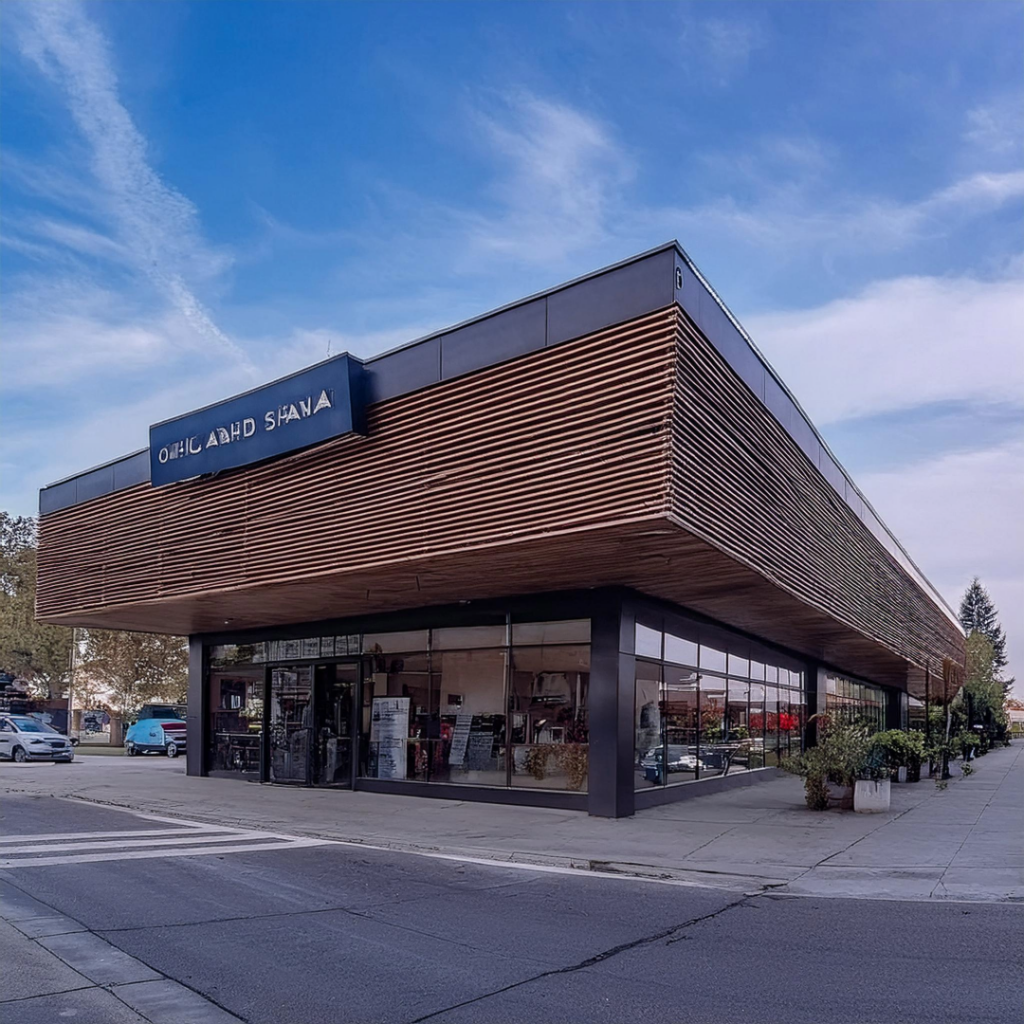
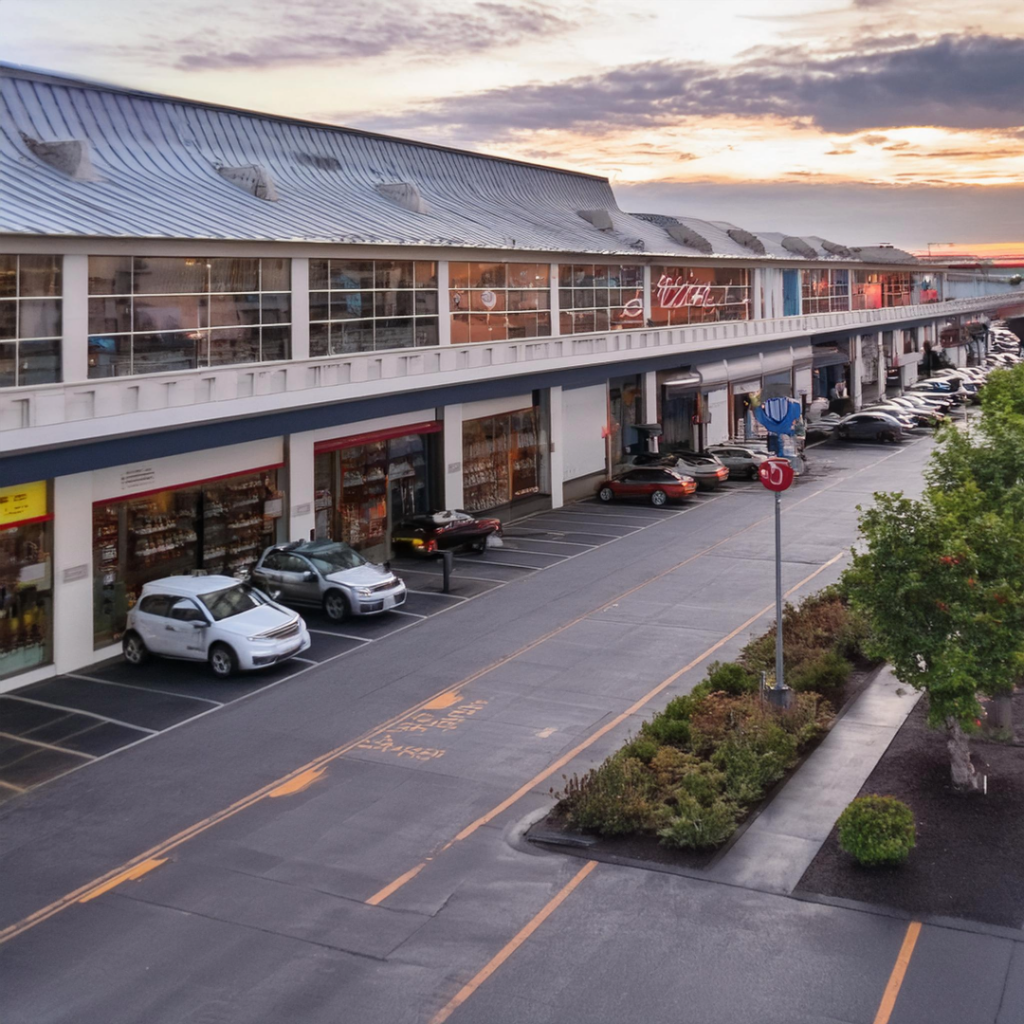

- Freestanding Retail: These single-tenant buildings, such as convenience stores, fast-food restaurants, and bank branches, offer high visibility and easy access. However, they may experience lower foot traffic compared to shopping centers.
- Strip Centers/Convenience Centers: These linear arrangements of stores, typically anchored by a grocery store or pharmacy, cater to daily needs. They offer convenience and lower rents compared to larger centers but may face competition among similar businesses.
- Community Centers: These larger centers, anchored by discount department stores or supermarkets, offer a broader range of stores and services, drawing customers from a wider area. However, rents are typically higher than those in strip centers.
- Enclosed Malls: These large, climate-controlled structures, housing a variety of retailers and entertainment options, once dominated the retail landscape. While they still offer high foot traffic, their popularity has declined due to the rise of e-commerce and shifting consumer preferences.
- Mixed-Use Developments: These projects combine retail with residential, office, or hotel space, creating vibrant, walkable communities. While they offer a diverse tenant mix, they can be more complex to develop and manage than single-use properties.
III. Key Considerations for Retail Real Estate Investors
Investing in retail real estate requires careful consideration of various factors to maximize returns and minimize risk.
- Location: Prime locations with high visibility, accessibility, and demographics that align with the target market are crucial for success.
- Tenant Mix: A well-balanced and complementary tenant mix attracts a diverse customer base, driving foot traffic and boosting sales.
- Lease Terms: Thoroughly negotiate lease terms, including rent, term length, and renewal options, to ensure a fair and profitable arrangement.
- Market Trends: Stay informed about evolving consumer preferences, technological advancements, and economic conditions to adapt your investment strategy accordingly.
IV. The Future of Retail Real Estate: Innovation and Adaptation
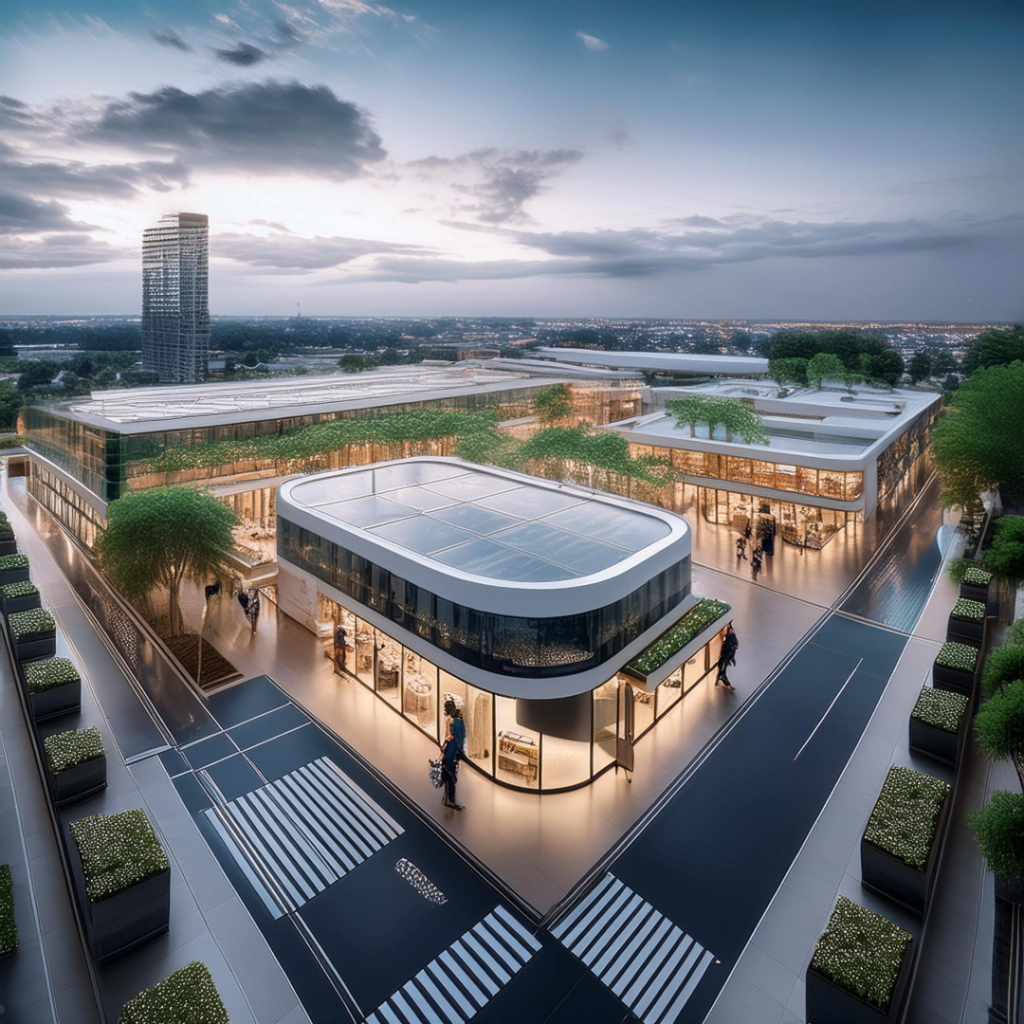
The retail sector is undergoing a profound metamorphosis, driven by evolving consumer preferences, technological advancements, and the continued growth of e-commerce. While challenges persist, the future holds exciting opportunities for those willing to embrace innovation and adapt to the changing landscape.
Innovation in Brick-and-Mortar Retail
As e-commerce continues to capture a larger share of retail sales, physical stores must evolve to remain relevant. Experiential retail, which focuses on creating engaging and immersive experiences, is becoming increasingly important. Retailers are investing in interactive displays, personalized services, and unique events to attract and retain customers.
Technology is also playing a crucial role in transforming the in-store experience. Augmented reality (AR) and virtual reality (VR) are being used to create interactive product demonstrations and virtual try-ons. Artificial intelligence (AI) is powering personalized recommendations and streamlined checkout processes. These innovations are not only enhancing the customer experience but also providing retailers with valuable data insights to better understand their shoppers.
In addition to technology, retailers are experimenting with new store formats and concepts. Pop-up shops, which offer limited-time experiences and exclusive products, are gaining popularity. Smaller, more focused stores are replacing sprawling department stores, catering to specific niches and interests.
The Rise of Mixed-Use Developments
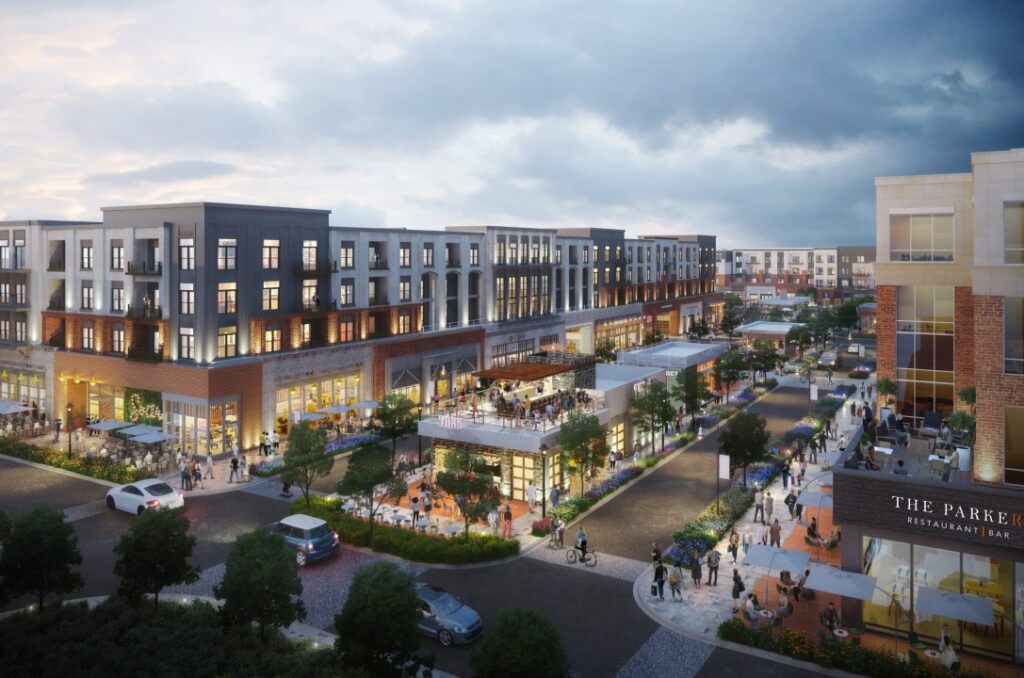
Mixed-use developments (MUDs) are rapidly transforming urban landscapes and redefining the concept of community. These projects integrate retail, residential, office, and other uses into a single complex, creating vibrant and walkable neighborhoods where people can live, work, and play in close proximity.
MUDs offer numerous benefits for investors and communities alike. For investors, they provide a diversified income stream and a hedge against market volatility. The diverse tenant mix reduces the risk of vacancy and ensures a steady flow of revenue. For communities, MUDs promote economic development, social interaction, and a sense of place. They create walkable neighborhoods, reduce traffic congestion, and provide convenient access to amenities and services.
The Rise of Experiential Retail
Experiential retail is not just a trend; it’s a fundamental shift in how retailers approach their physical spaces. Customers are no longer simply looking for a place to buy products; they want an experience that engages their senses, emotions, and intellect.
This shift is driving retailers to create unique and memorable in-store experiences. Pop-up shops, interactive displays, and personalized services are just a few examples of how retailers are trying to differentiate themselves from online competitors. They are also focusing on creating a sense of community within their stores, hosting events, workshops, and other activities that bring people together.
Embracing Sustainability
Sustainability is becoming an increasingly important consideration for retail real estate investors. Consumers are increasingly demanding eco-friendly products and services, and retailers are responding by adopting sustainable practices in their stores and supply chains.
This trend is reflected in the growing demand for green buildings, which offer energy efficiency, water conservation, and other environmental benefits. Investors are also looking for ways to reduce waste, promote recycling, and incorporate renewable energy sources into their properties.
The Future is Bright
The future of retail real estate is undoubtedly full of challenges, but it also holds immense potential for innovation and growth. By embracing new technologies, adapting to changing consumer preferences, and investing in sustainable practices, retailers and investors can thrive in this dynamic landscape. The rise of experiential retail and mixed-use developments are just two examples of how the industry is evolving to meet the needs of the modern consumer. As this evolution continues, we can expect to see even more exciting and innovative developments in the retail real estate sector.
In conclusion, navigating the retail real estate market requires a deep understanding of property types, market trends, and key investment considerations. By staying informed and adapting to the changing landscape, investors can identify lucrative opportunities and build a resilient portfolio in this dynamic sector.